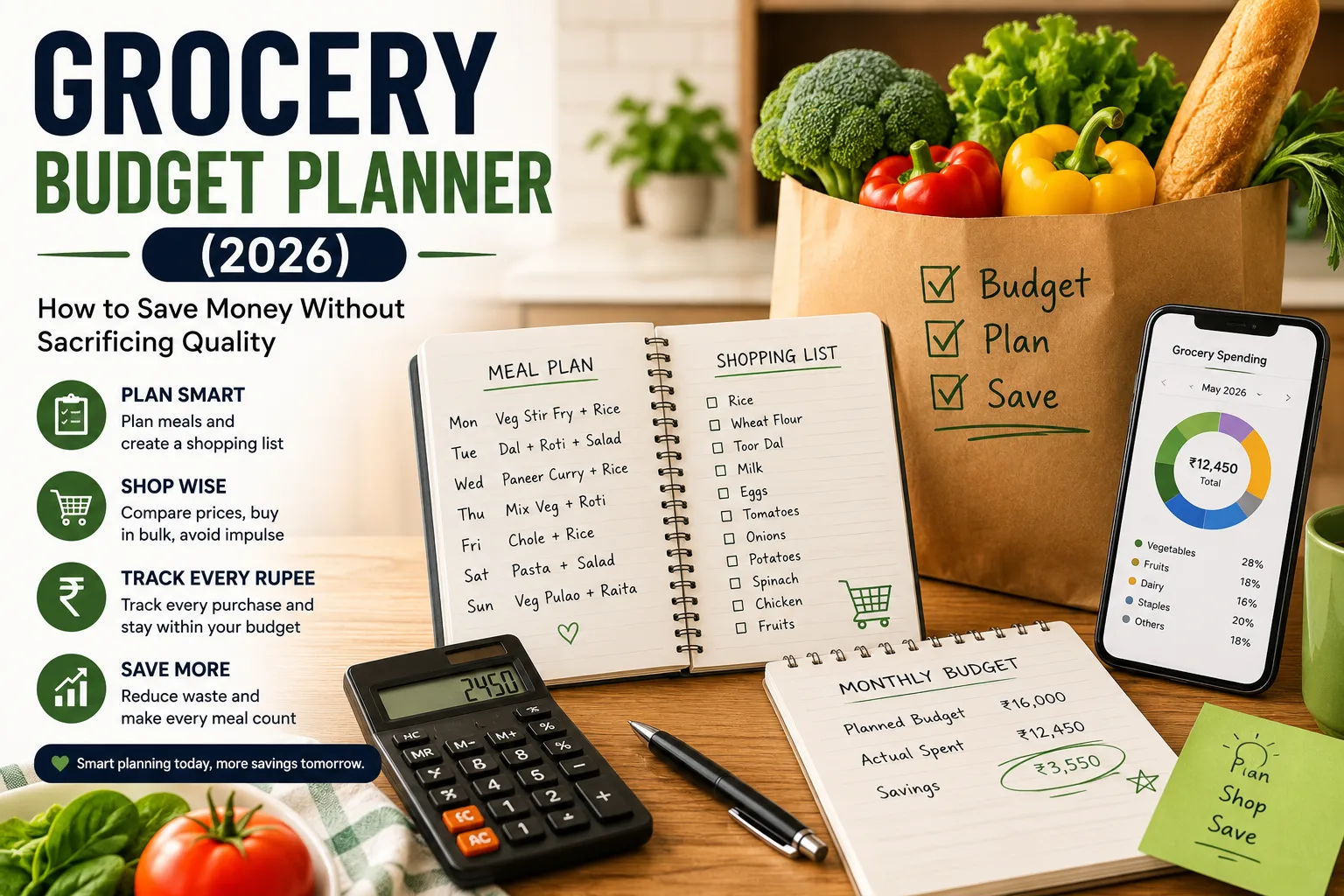
Managing grocery expenses using a household expense tracker can be one of the biggest challenges for any household. Food prices change frequently, unexpected purchases add up quickly, and it's easy to exceed your budget without realizing where the money went.
The good news is that creating a grocery budget doesn't mean buying lower-quality food or giving up your favorite meals. With a little planning and consistent tracking, you can reduce unnecessary spending while still providing healthy, enjoyable meals for your family.
A grocery budget planner helps you estimate monthly food expenses, monitor your spending, and make smarter purchasing decisions. Over time, it also reveals spending patterns that can help you save money without sacrificing quality.
In this guide, you'll learn how to create a realistic grocery budget, practical strategies for reducing food costs, and simple habits that make grocery budgeting easier every month.
Quick Summary
- Plan your grocery budget before the month begins.
- Track every grocery purchase to identify spending patterns.
- Build shopping lists based on meals instead of impulse buying.
- Review your grocery spending monthly and adjust as needed.
- Small changes in shopping habits can lead to significant long-term savings.
Why You Need a Grocery Budget Planner
For many families, groceries are one of the largest monthly expenses after housing and utilities. Unlike rent or insurance, grocery spending changes from week to week, making it easy to overspend without noticing.
A grocery budget planner helps you:
- Understand how much you actually spend on food.
- Reduce impulse purchases.
- Plan meals more efficiently.
- Minimize food waste.
- Save money without compromising nutrition.
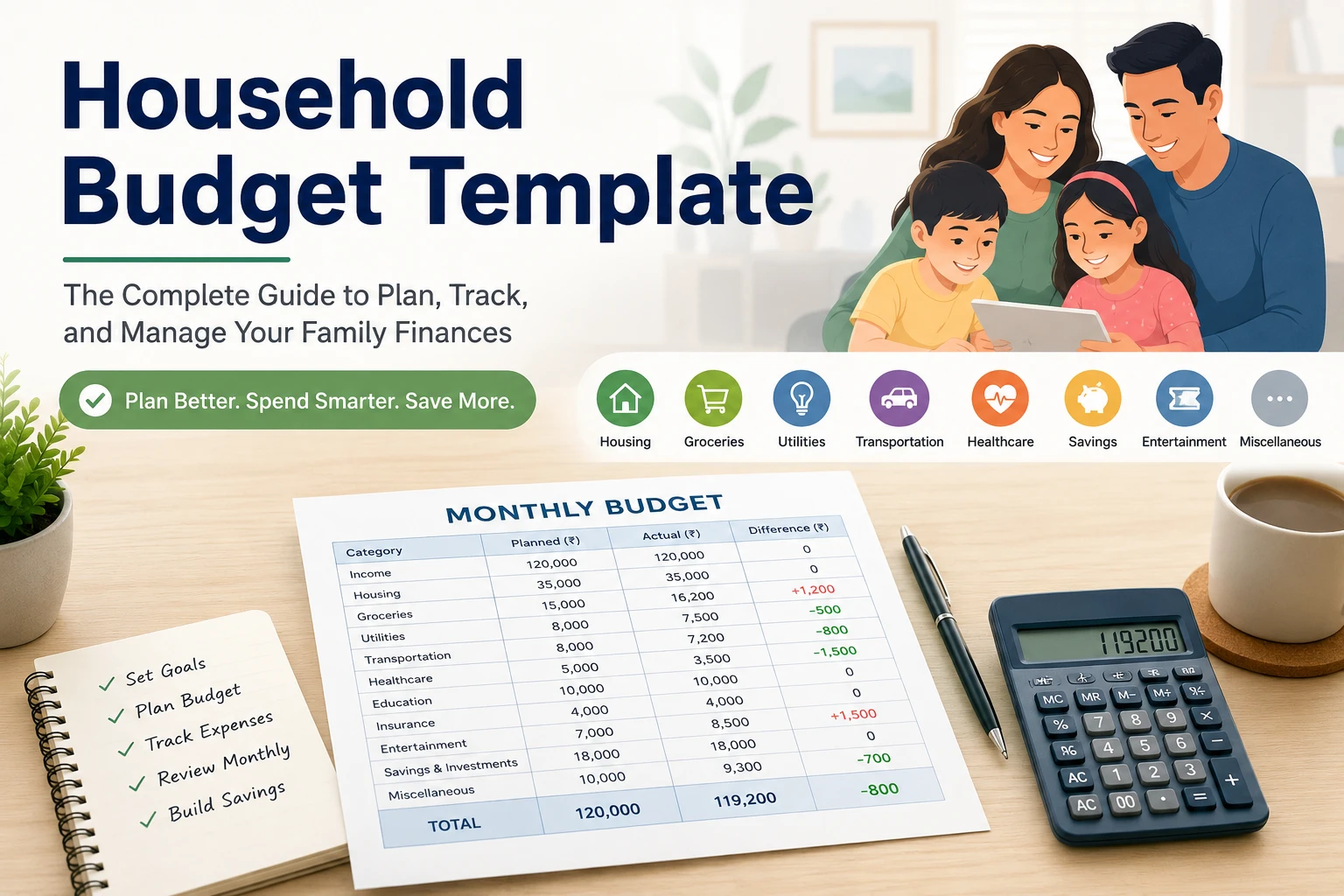
Tracking grocery expenses separately also makes it easier to see how they fit into your overall household budget. If you're building a complete monthly budget, start with our guide to creating a household budget template.
How Much Should You Spend on Groceries?
There isn't a universal grocery budget that works for every household.
Your ideal budget depends on factors such as:
- Family size
- Location
- Dietary preferences
- Eating habits
- Income
- Frequency of dining out
Instead of comparing your grocery spending with someone else's, focus on building a budget that's realistic for your own household.
A good starting point is reviewing your grocery expenses from the past three months and calculating the average monthly spending.
| Household Size | Example Monthly Grocery Budget |
|---|
| 1 Person | ₹4,000–₹7,000 |
| Couple | ₹8,000–₹14,000 |
| Family of 4 | ₹15,000–₹25,000+ |
These figures are only examples. Your actual budget should reflect your lifestyle and local prices.
How to Create a Grocery Budget
Creating a grocery budget doesn't have to be complicated.
Follow these simple steps to build a system you can maintain every month.
Meal planning is one of the easiest ways to reduce grocery expenses.
Instead of deciding what to cook after returning from the supermarket, plan your meals for the entire week before you shop.
Benefits include:
- Buying only what you'll use.
- Reducing food waste.
- Avoiding duplicate purchases.
- Making healthier food choices.
When you know exactly what you'll cook, your shopping list becomes much more focused.
Never shop without a list.
A well-prepared shopping list helps you stay focused and reduces impulse purchases.
Organize your list into categories such as:
- Fruits and vegetables
- Dairy
- Grains
- Protein
- Household essentials
- Snacks
Shopping with a categorized list also makes supermarket visits faster and more efficient.
3. Track Every Grocery Purchase
Many people underestimate how much they spend simply because they don't record every purchase.
Track:
- Weekly supermarket visits
- Small convenience store purchases
- Online grocery orders
- Bulk purchases
- Household supplies purchased with groceries
Recording every expense provides accurate data that helps you create better budgets in the future. For a simple system to track household expenses consistently, log each grocery purchase when it happens rather than from memory at month-end.
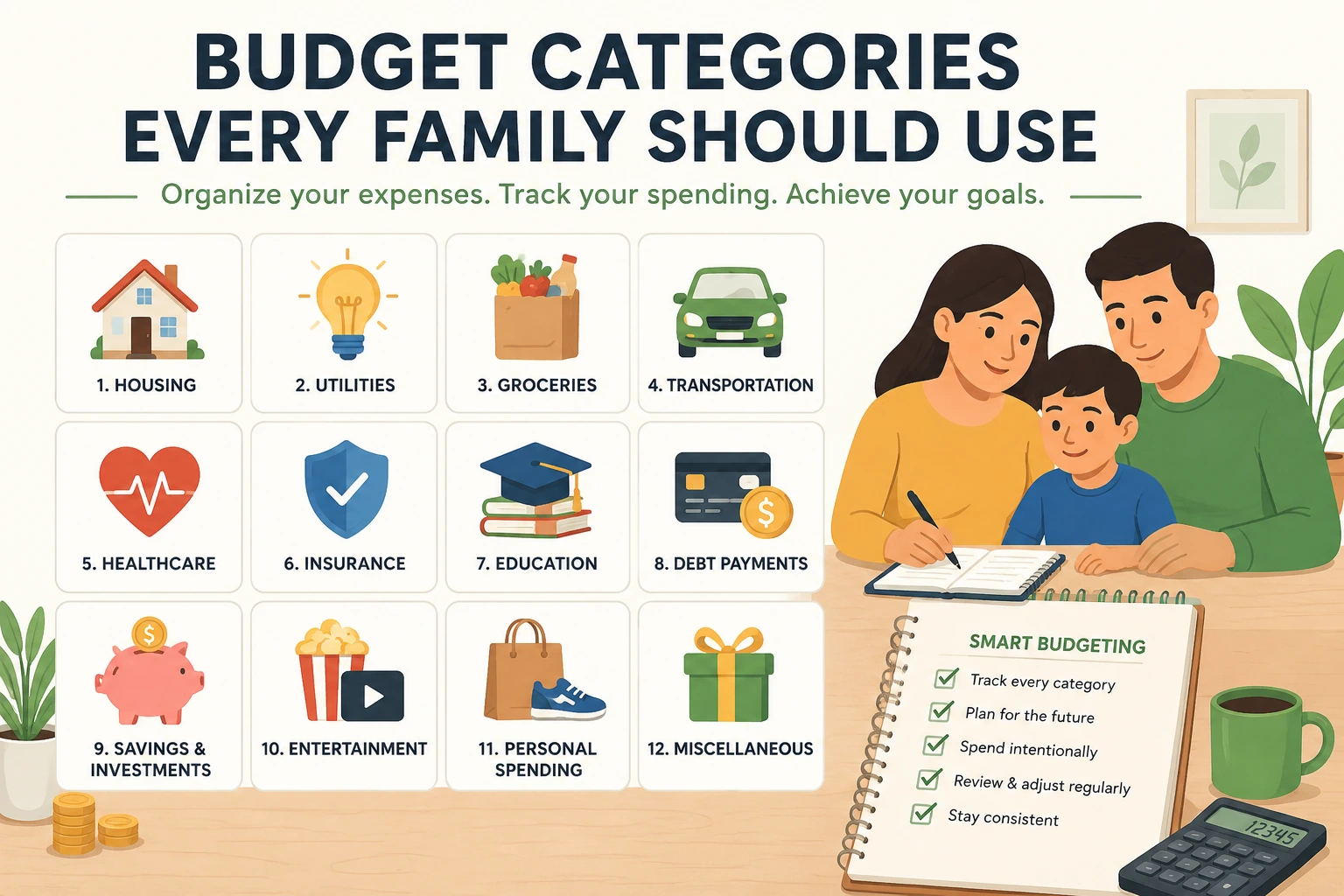
If you're already tracking all household expenses, keeping groceries in a dedicated category makes it much easier to review your monthly spending. Learn more in our guide to budget categories every family should use.
4. Review Your Spending Every Month
A grocery budget isn't something you create once and forget.
At the end of each month, compare:
- Planned grocery budget
- Actual spending
- Reasons for overspending
- Opportunities to save next month
Small monthly adjustments are much easier than trying to overhaul your spending habits all at once.
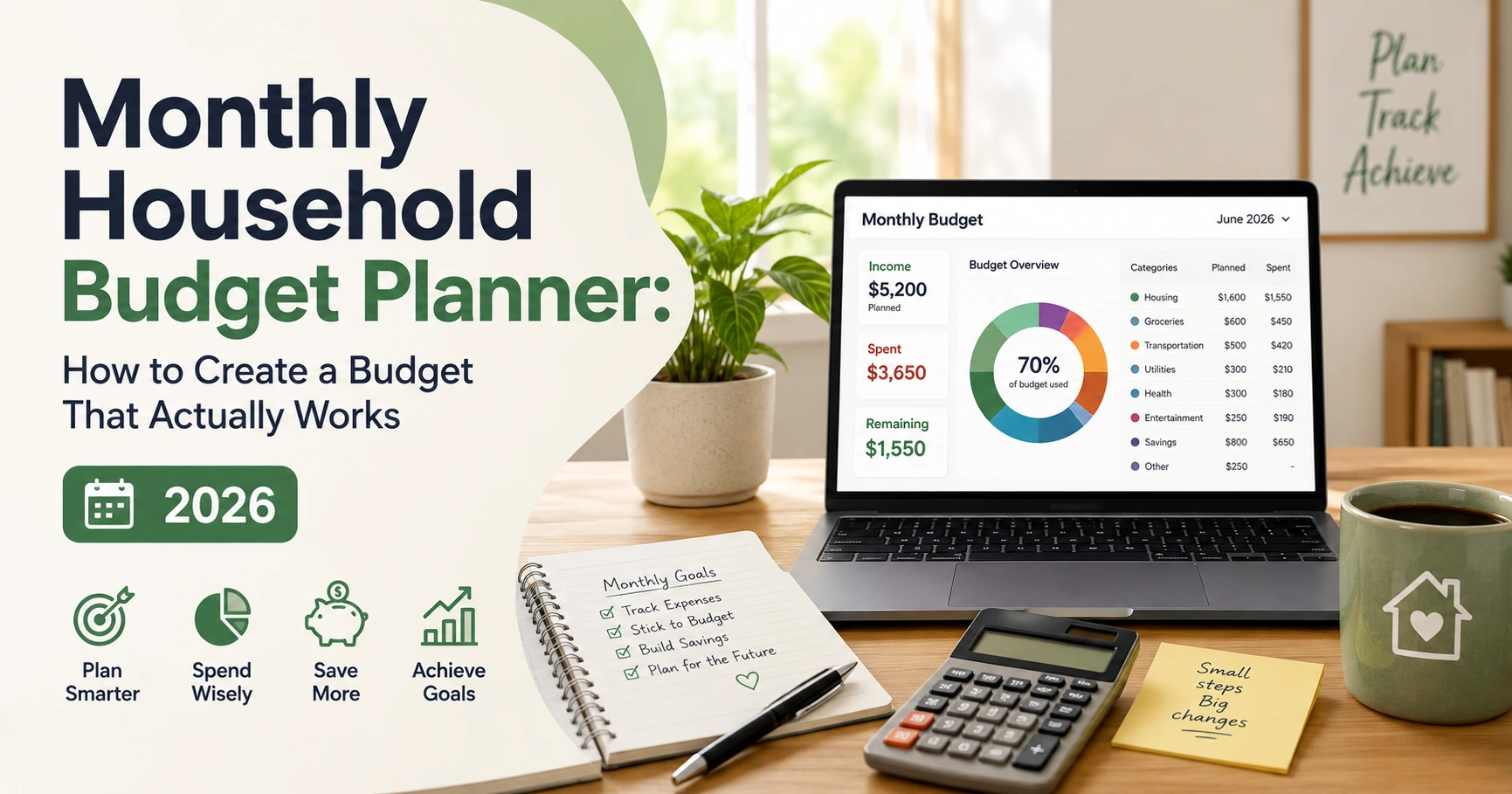
Reviewing your grocery expenses alongside your overall household spending also helps create a more balanced financial plan. Our monthly household budget planner explains how to review every spending category together.
10 Practical Ways to Save Money on Groceries
Saving money on groceries isn't about buying the cheapest products—it's about shopping intentionally. Small changes in your shopping habits can lead to significant savings over the course of a year.
1. Plan Your Meals Around What's Already at Home
Before creating your shopping list, check your pantry, refrigerator, and freezer.
Using ingredients you already own reduces waste and prevents buying duplicates.
2. Never Shop When You're Hungry
Shopping while hungry often leads to impulse purchases.
Eat before visiting the supermarket so you're more likely to stick to your shopping list.
3. Compare Unit Prices
The cheapest-looking product isn't always the best value.
Compare the price per kilogram, litre, or unit instead of only looking at the total price.
This helps you make better purchasing decisions, especially when comparing different package sizes.
4. Buy Non-Perishable Items in Bulk
Items with a long shelf life are often cheaper when purchased in larger quantities.
Examples include:
- Rice
- Flour
- Pasta
- Cooking oil
- Lentils
- Toilet paper
- Cleaning supplies
Only buy in bulk if you're confident the items will be used before they expire.
5. Reduce Food Waste
Throwing away food is the same as throwing away money.
Simple habits can help reduce waste:
- Store food properly.
- Freeze leftovers.
- Rotate older ingredients to the front.
- Plan meals around ingredients nearing their expiry date.
Even small reductions in food waste can noticeably lower your monthly grocery bill.
6. Limit Convenience Foods
Pre-cut vegetables, ready-made meals, and individually packaged snacks save time but often cost significantly more.
Preparing meals and snacks at home is usually more economical while also giving you greater control over ingredients.
7. Choose Store Brands When Appropriate
Many supermarket own-brand products offer similar quality at a lower price than premium brands.
Compare ingredients and nutritional information rather than relying only on brand names.
8. Set a Weekly Grocery Budget
Instead of focusing only on a monthly budget, divide your grocery allowance into weekly limits.
For example:
| Monthly Grocery Budget | Weekly Target |
|---|
| ₹16,000 | ₹4,000 |
| ₹20,000 | ₹5,000 |
| ₹24,000 | ₹6,000 |
Weekly targets make it easier to notice overspending before the end of the month.
9. Track Grocery Spending Consistently
Recording every grocery purchase provides valuable insights into your spending habits.
Over time, you'll identify:
- Frequently purchased items.
- Seasonal spending changes.
- Categories where you're overspending.
- Opportunities to save.
Consistent tracking also makes it easier to adjust future budgets based on real spending patterns rather than estimates.
10. Review Your Budget Regularly
Your grocery budget shouldn't remain unchanged forever.
Inflation, family size, dietary preferences, and lifestyle changes all affect food expenses.
Review your grocery spending every month and make small adjustments whenever necessary instead of waiting until you've significantly exceeded your budget.
Common Grocery Budget Mistakes
Even with a budget in place, many households unknowingly spend more than necessary.
Walking into a supermarket without a shopping list almost always leads to unnecessary purchases.
Planning meals before shopping helps keep spending under control.
Ignoring Small Purchases
A snack here, a drink there, and a quick convenience store visit can quickly add up.
Track every grocery-related purchase, regardless of how small it seems.
Setting Unrealistic Budgets
Trying to reduce your grocery spending too quickly often leads to frustration.
Instead, reduce your budget gradually while looking for sustainable ways to save money.
Forgetting Seasonal Price Changes
Fresh produce and certain food items fluctuate in price throughout the year.
Adjust your grocery budget to account for seasonal variations rather than expecting identical spending every month.
Not Reviewing Past Spending
One of the biggest budgeting mistakes is creating a new grocery budget every month without reviewing previous results.
Looking back at your spending history helps you create more accurate budgets and identify opportunities for long-term savings.
Estimate your grocery budget
Use the free grocery budget calculator to convert your own weekly grocery spending into an average monthly budget, add a buffer, and compare the result with your target. It does not assume a fixed grocery price for your location.
Frequently Asked Questions
What is a good monthly grocery budget?
There isn't a single budget that works for every household. Your grocery budget should reflect your family size, location, dietary preferences, and income. Reviewing your spending over the past three months is one of the best ways to establish a realistic monthly grocery budget.
How can I reduce my grocery bill without sacrificing quality?
Focus on planning meals, shopping with a list, comparing unit prices, buying non-perishable items in bulk when appropriate, and reducing food waste. Small, consistent improvements often have a greater impact than making drastic cuts to your grocery budget.
Should groceries be a separate budget category?
Yes. Groceries are one of the largest variable household expenses and should always have their own budget category. Separating grocery spending from other expenses makes it easier to monitor trends and identify opportunities to save.
How often should I review my grocery budget?
Review your grocery spending at least once every month. Comparing your planned budget with actual spending helps you identify overspending, adjust future budgets, and improve your shopping habits over time.
What's the biggest mistake people make when grocery budgeting?
One of the most common mistakes is shopping without a plan. Going to the supermarket without a shopping list or meal plan often results in impulse purchases and unnecessary spending.
Is a grocery budget planner better than using a spreadsheet?
Both approaches can work. A spreadsheet is suitable for simple budgeting, while a dedicated expense tracking app makes it easier to record purchases, categorize expenses, and review spending trends over time.
Key Takeaways
- Plan your grocery budget before the month begins.
- Build shopping lists around planned meals instead of impulse purchases.
- Track every grocery expense to understand your spending habits.
- Review your grocery budget monthly and make small adjustments over time.
- Focus on reducing food waste and making intentional purchasing decisions rather than simply spending less.
- Consistency is the key to building sustainable grocery budgeting habits.
Conclusion
A grocery budget planner isn't about restricting your family's lifestyle—it's about making smarter decisions with the money you're already spending.
By planning meals, shopping with purpose, tracking grocery expenses consistently, and reviewing your spending every month, you can reduce unnecessary costs while continuing to provide healthy, enjoyable meals for your household.
Remember that successful grocery budgeting isn't achieved through perfection. Small improvements, repeated consistently, often lead to the biggest long-term savings.
Whether you use a spreadsheet or a dedicated household budgeting app, creating a realistic grocery budget helps you stay in control of one of your largest monthly expenses and frees up more money for your long-term financial goals.