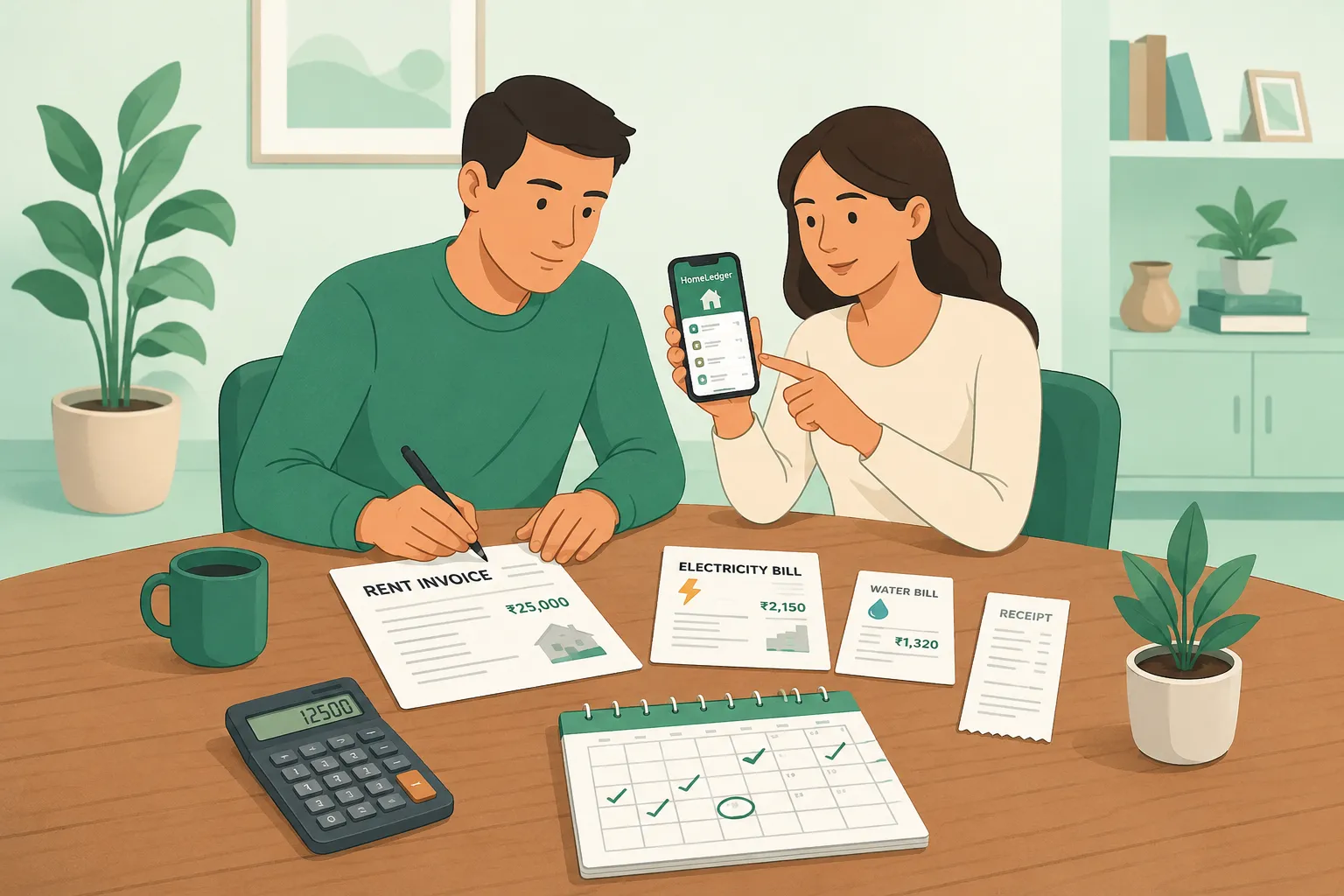
Managing shared household bills doesn't have to be complicated. Whether you're living with family, your partner, or roommates, having a simple system for tracking rent, utilities, groceries, and subscriptions can prevent confusion and unnecessary disagreements.
Many households start with good intentions but eventually lose track of who paid what. Bills get buried in chat messages, payment apps only show individual transactions, and spreadsheets quickly become difficult to maintain.
The solution isn't just splitting bills—it's creating a consistent system that everyone follows.
In this guide, you'll learn how to track shared household bills effectively, common mistakes to avoid, and how to keep everyone on the same page.
What Are Shared Household Bills?
Shared household bills are recurring or one-time expenses that benefit everyone living in the household.
Common examples of joint shared household expenses include:
- Rent or mortgage payments
- Electricity bills
- Water bills
- Gas bills
- Internet connection
- Streaming subscriptions
- Household cleaning supplies
- Shared groceries
- Maintenance and repair costs
Personal expenses such as clothing, individual subscriptions, and personal shopping should generally be tracked separately. Separating shared and personal spending makes monthly settlements much simpler and helps avoid misunderstandings.
Why Tracking Shared Bills Matters
Keeping track of shared household bills isn't just about knowing who owes money. It creates transparency, reduces misunderstandings, and helps everyone contribute fairly.
Without a clear system, common problems start to appear:
- Someone forgets they already paid the internet bill.
- Utility bills are paid twice—or not at all.
- It's difficult to remember who covered groceries last week.
- Household subscriptions continue without anyone noticing.
Tracking shared bills gives everyone a single source of truth, making monthly settlements faster and reducing financial stress.
A Simple System to Track Shared Household Bills
You don't need a complicated budgeting process. A few simple habits can make managing shared bills much easier.
1. Decide Which Bills Are Shared
Start by creating a list of expenses that everyone benefits from.
Examples include:
- Rent
- Electricity
- Water
- Internet
- Gas
- Cleaning supplies
- Shared groceries
- Streaming subscriptions
Agreeing on this list early prevents disagreements later.
The easiest expense to track is the one you record as soon as it's paid.
Waiting until the end of the month usually means forgotten payments, missing receipts, and unnecessary confusion.
Whether you're using a spreadsheet or a dedicated shared expense tracker, consistency is more important than the tool itself. Setting up this habit makes it easy to track shared bills without losing receipts.
3. Review Bills Every Month
Set aside a few minutes each month to review household expenses together.
A monthly review helps you:
- Catch missing payments
- Spot duplicate charges
- Plan for upcoming bills
- Keep everyone informed about household spending
Small, regular reviews are much easier than trying to untangle months of transactions later.
Common Mistakes When Tracking Shared Bills
Even households with good intentions can run into problems if they don't have a consistent process.
Mixing Shared and Personal Expenses
Household bills should be tracked separately from personal spending.
For example, groceries for everyone belong in shared expenses, while someone's personal shopping does not.
Keeping these categories separate makes settlements much simpler (see our guide on how to split household expenses fairly for details).
Relying on Chat Messages
WhatsApp conversations and payment confirmations quickly become difficult to search.
When someone asks, "Who paid the electricity bill last month?", scrolling through weeks of messages isn't an efficient solution.
A single shared record is much easier to maintain.
Forgetting Recurring Bills
Some bills arrive every month without fail.
These include:
- Rent
- Internet
- Electricity
- Water
- Streaming subscriptions
Tracking recurring roommate bills helps ensure they're never overlooked and keep the roommate budget balanced.
Spreadsheet vs. Shared Bill Tracker
Many households begin by tracking bills in a spreadsheet. While this works for a small number of recurring expenses, it often becomes difficult to maintain as more people and transactions are involved.
| Spreadsheet | Shared Bill Tracker |
|---|
| Manual data entry | Record expenses in seconds |
| Multiple versions can cause confusion | Everyone sees the same information |
| Difficult to track who paid what | Complete payment history |
| No built-in organization | Expenses grouped by category |
| Harder to review recurring bills | Easy to monitor monthly household spending |
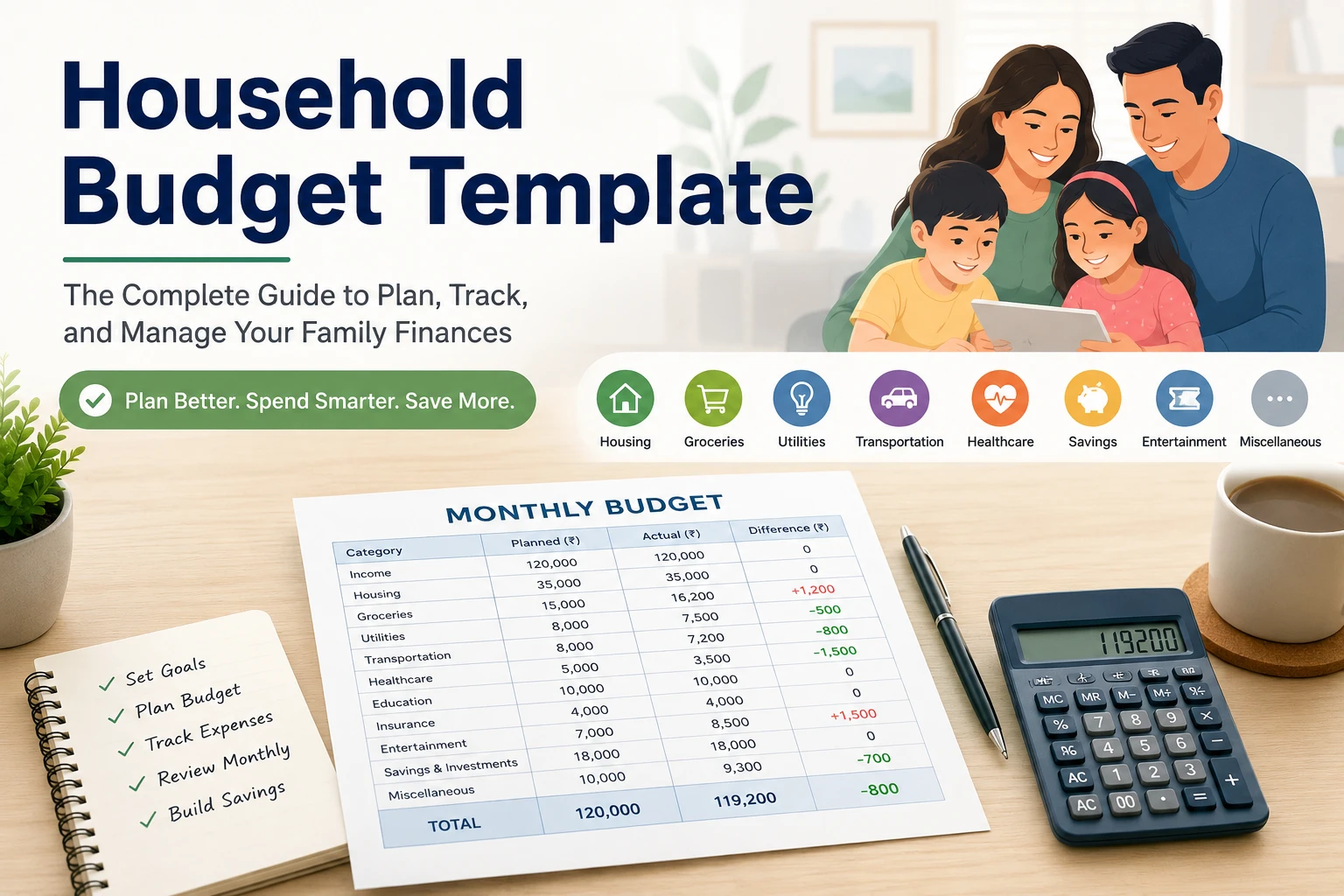
If your household only shares one or two bills, a spreadsheet setup utilizing a household budget template may be sufficient. However, for families, couples, or roommates managing multiple shared expenses, using a dedicated shared bills tracker can save time and reduce confusion.
A Better Way to Manage Shared Household Bills
The most successful households aren't the ones with the most complicated budgeting systems—they're the ones where everyone follows the same process.
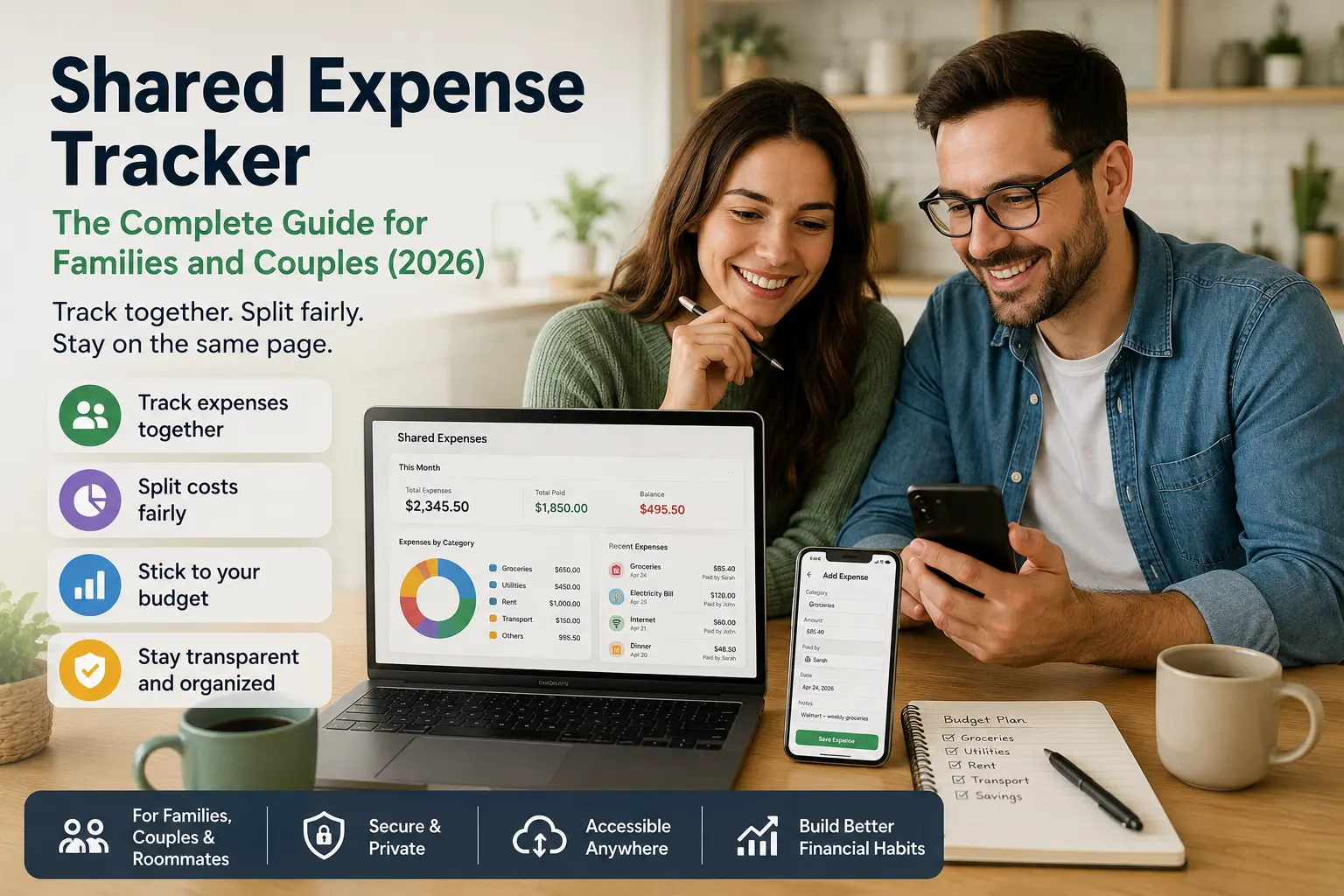
Instead of relying on spreadsheets, payment apps, or chat messages, many households prefer using a shared expense tracker that keeps everyone on the same page.
With HomeLedger, you can:
- Create a shared household.
- Record rent, utilities, groceries, and other shared expenses.
- Organize transactions into categories.
- View a complete history of household spending.
- Give every household member visibility into shared finances.
The goal isn't simply to record bills. It's to make managing household finances easier, more transparent, and less stressful for everyone involved.
Final Thoughts
Tracking shared household bills doesn't need to be complicated.
By deciding which bills are shared, recording expenses consistently, and reviewing them regularly, families, couples, and roommates can avoid misunderstandings and stay organized.
Whether you use a spreadsheet or a dedicated expense tracker, consistency is what matters most.
If you're looking for a simple way to manage shared household bills together, HomeLedger helps you track expenses, stay organized, and keep everyone on the same page.
Frequently Asked Questions
What are shared household bills?
Shared household bills are expenses that benefit everyone living in the home, such as rent, electricity, water, internet, gas, and shared groceries.
What's the easiest way to track shared household bills?
The easiest approach is to record every shared expense as soon as it's paid using a single system that everyone can access.
Should shared bills be split equally?
Not always. While many households split bills equally, others divide expenses based on income, room size, or individual usage.
Is a spreadsheet enough to track shared bills?
A spreadsheet works well for simple households with only a few shared expenses. As the number of transactions grows, a shared expense tracker is usually easier to maintain.
How often should shared household bills be reviewed?
A monthly review is usually enough. Reviewing bills together helps identify missing payments, duplicate charges, and upcoming expenses before they become problems.