Managing shared finances isn't always easy. Whether you're living with your partner, raising a family, or sharing a home with roommates (see our roommate guides on how to track shared household bills or splitting expenses with roommates), deciding how to split household expenses fairly can quickly become a source of confusion and frustration.
While many people assume that splitting every bill 50/50 is the fairest approach, that isn't always true. Differences in income, financial responsibilities, and personal spending habits often mean that a one-size-fits-all solution doesn't work for every household.
The key isn't finding a perfect formula—it's finding a shared finances system that everyone understands, agrees on, and can maintain consistently over time.
In this guide, you'll learn the most common ways to split household expenses, the advantages and disadvantages of each approach, common mistakes to avoid, and practical tips for managing shared finances with less stress.
Quick Summary
- There is no single "correct" way to split household expenses.
- Equal, proportional, and responsibility-based splits are the most common approaches.
- Choose a system that reflects your household's income and financial goals.
- Review shared expenses regularly as circumstances change.
- Transparency and communication are more important than the exact split.
Why Splitting Household Expenses Matters
Money is one of the most common sources of stress in shared households. Without a clear system for managing expenses, small misunderstandings can grow into recurring disagreements.
Splitting household expenses fairly isn't just about dividing bills—it's about creating transparency, setting expectations, and ensuring everyone contributes in a way that feels reasonable.
Whether you're living with a spouse, partner, family members, or roommates, having a documented approach to shared finances makes budgeting significantly easier.
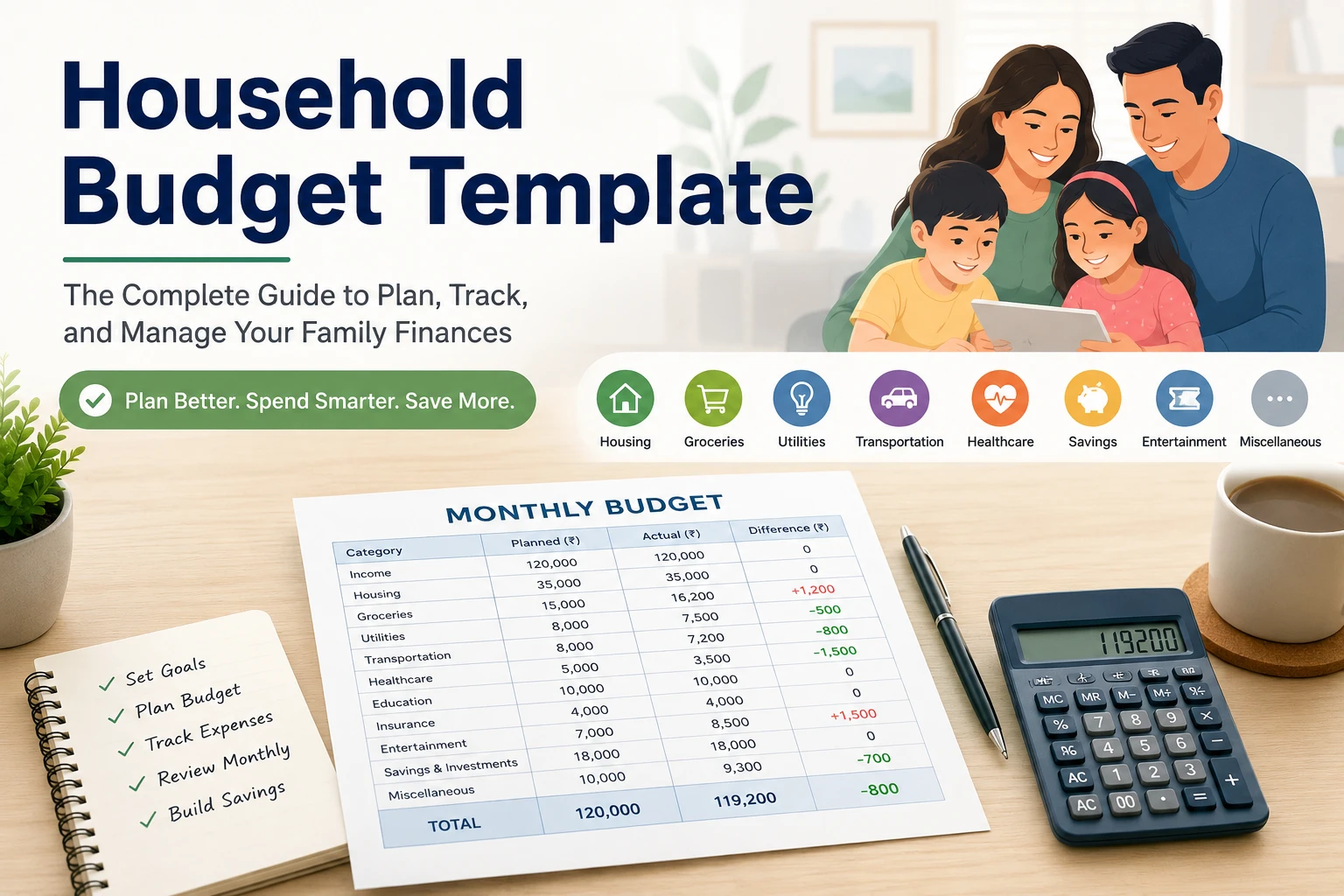
If you haven't already created a structured monthly budget, consider starting with a household budget template before deciding how expenses should be divided.
Benefits of a Fair Expense Sharing System
A good expense-sharing system helps you:
- Reduce financial misunderstandings.
- Ensure everyone contributes fairly.
- Track household spending more accurately.
- Plan monthly budgets with greater confidence.
- Save toward shared financial goals.
Most importantly, it removes uncertainty. Instead of asking "Who paid for this?" every week, everyone knows their responsibilities from the beginning.
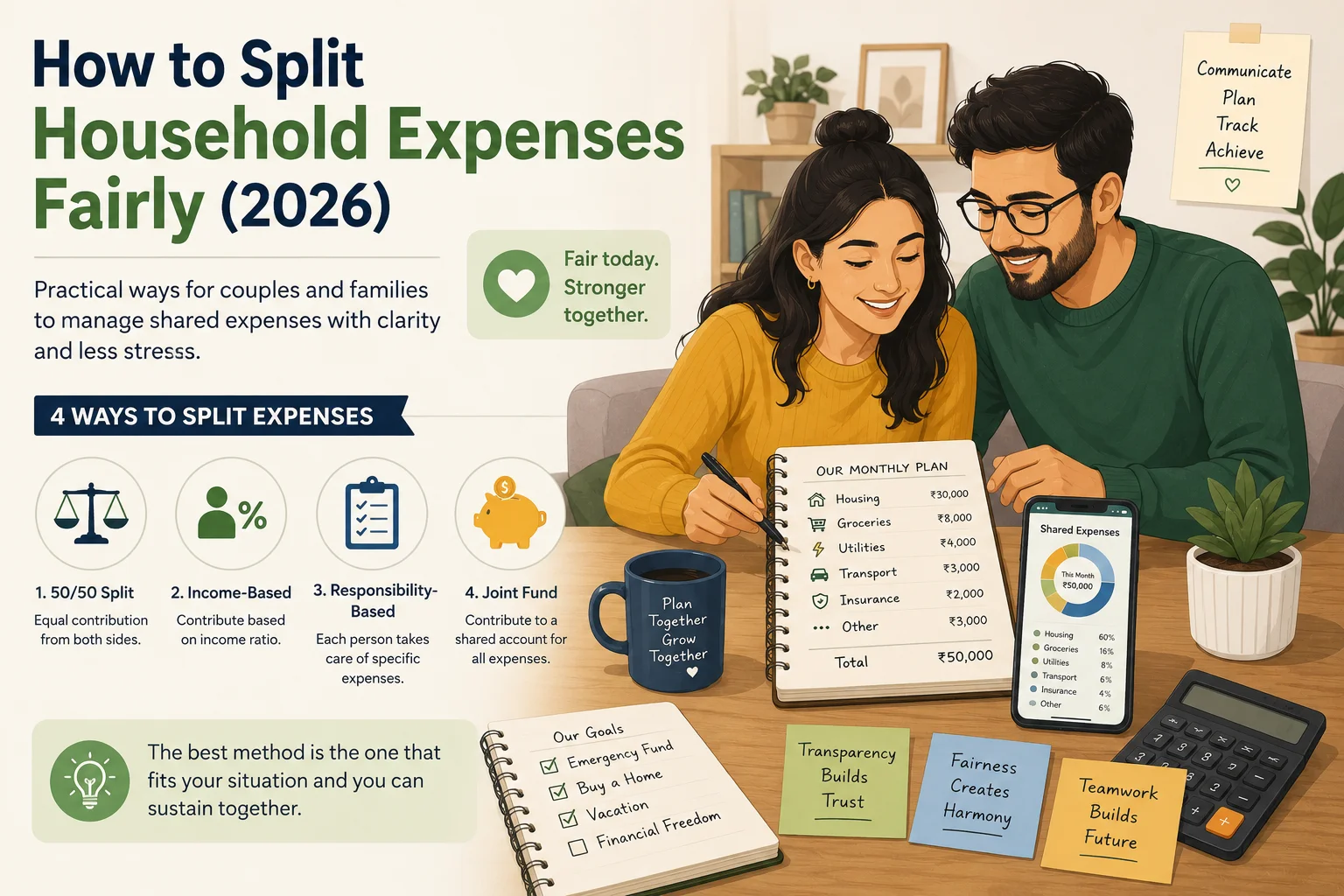
Common Ways to Split Household Expenses
Try our free shared expense split calculator to compare equal, percentage-based or custom contributions.
There isn't a universal method that works for every household. The best approach depends on factors such as income, lifestyle, financial goals, and personal preferences.
Here are the four most common methods.
1. Equal (50/50) Split
The simplest approach is dividing all shared expenses equally.
For example:
| Expense | Total | Person A | Person B |
|---|
| Rent | ₹30,000 | ₹15,000 | ₹15,000 |
| Groceries | ₹12,000 | ₹6,000 | ₹6,000 |
| Utilities | ₹4,000 | ₹2,000 | ₹2,000 |
Best For
- Couples with similar incomes
- Roommates
- Friends sharing accommodation
Advantages
- Easy to calculate
- Easy to explain
- Minimal bookkeeping
Disadvantages
A 50/50 split may not feel fair if one person earns significantly more than the other.
Fairness isn't always about equality—it can also mean contributing according to each person's financial capacity.
2. Income-Based Split
Many couples choose to split expenses based on income rather than equally.
For example:
| Person | Monthly Income | Contribution |
|---|
| Partner A | ₹80,000 | 67% |
| Partner B | ₹40,000 | 33% |
If monthly household expenses are ₹30,000:
- Partner A contributes approximately ₹20,100.
- Partner B contributes approximately ₹9,900.
Best For
- Couples with different salaries.
- Families where one partner works part-time.
- Households with unequal earning power.
Many financial advisors consider this one of the fairest long-term approaches because both people contribute proportionally instead of equally.
3. Responsibility-Based Split
Instead of dividing every expense, each person becomes responsible for specific categories.
For example:
| Partner A | Partner B |
|---|
| Rent | Groceries |
| Internet | Utilities |
| Insurance | Transportation |
This method reduces the number of money transfers between people and keeps responsibilities simple.
To make this work well, review your spending categories regularly. If you haven't organized your expenses yet, our guide on budget categories every family should use can help you build a more balanced household budget.
4. Joint Household Fund
Many long-term couples prefer creating a shared household fund.
Each person contributes a fixed amount every month into a shared account that's used exclusively for common expenses such as:
- Rent or mortgage
- Groceries
- Utilities
- Internet
- Household supplies
Personal purchases remain separate.
This approach combines transparency with flexibility and is often one of the easiest ways to manage shared finances over the long term.
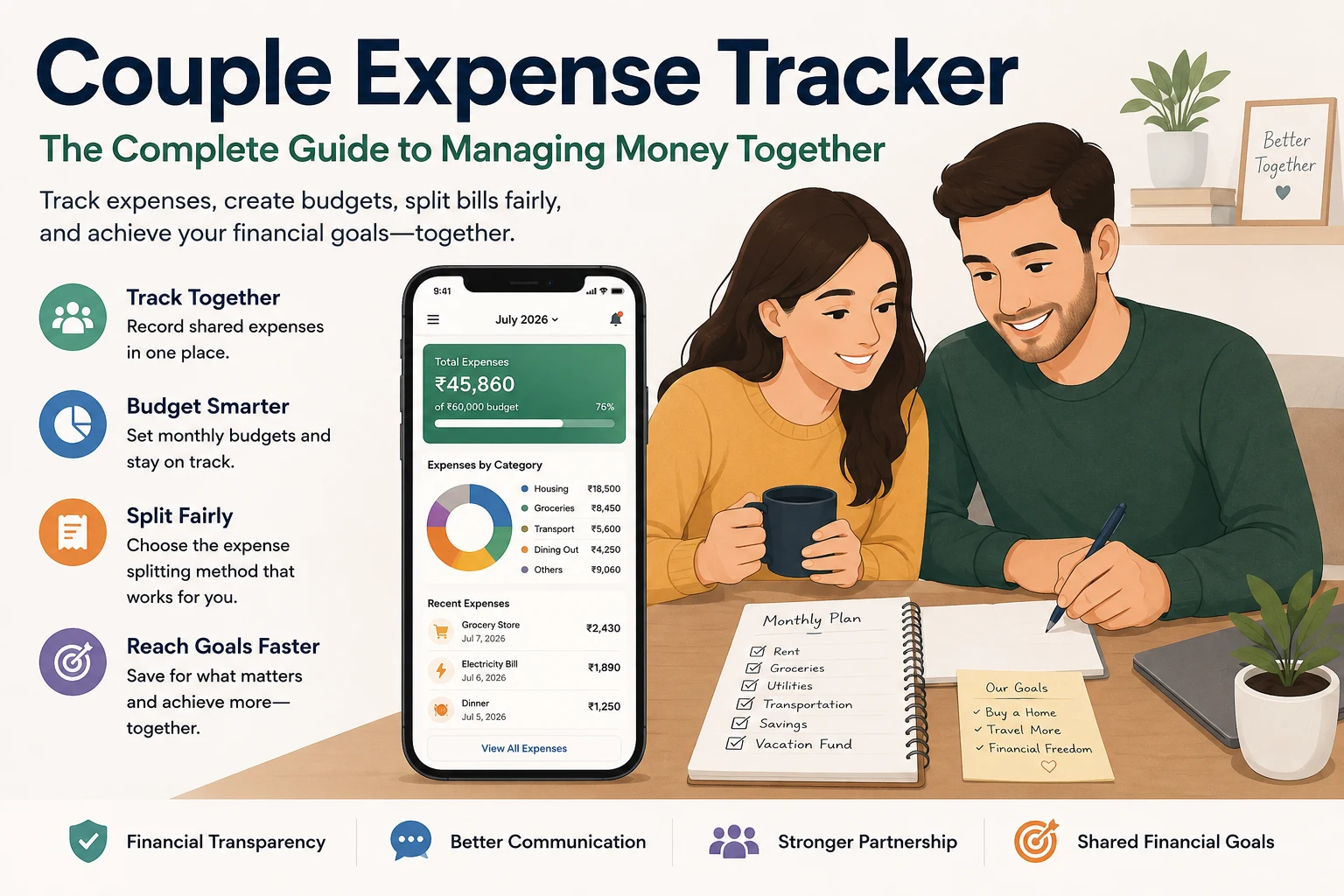
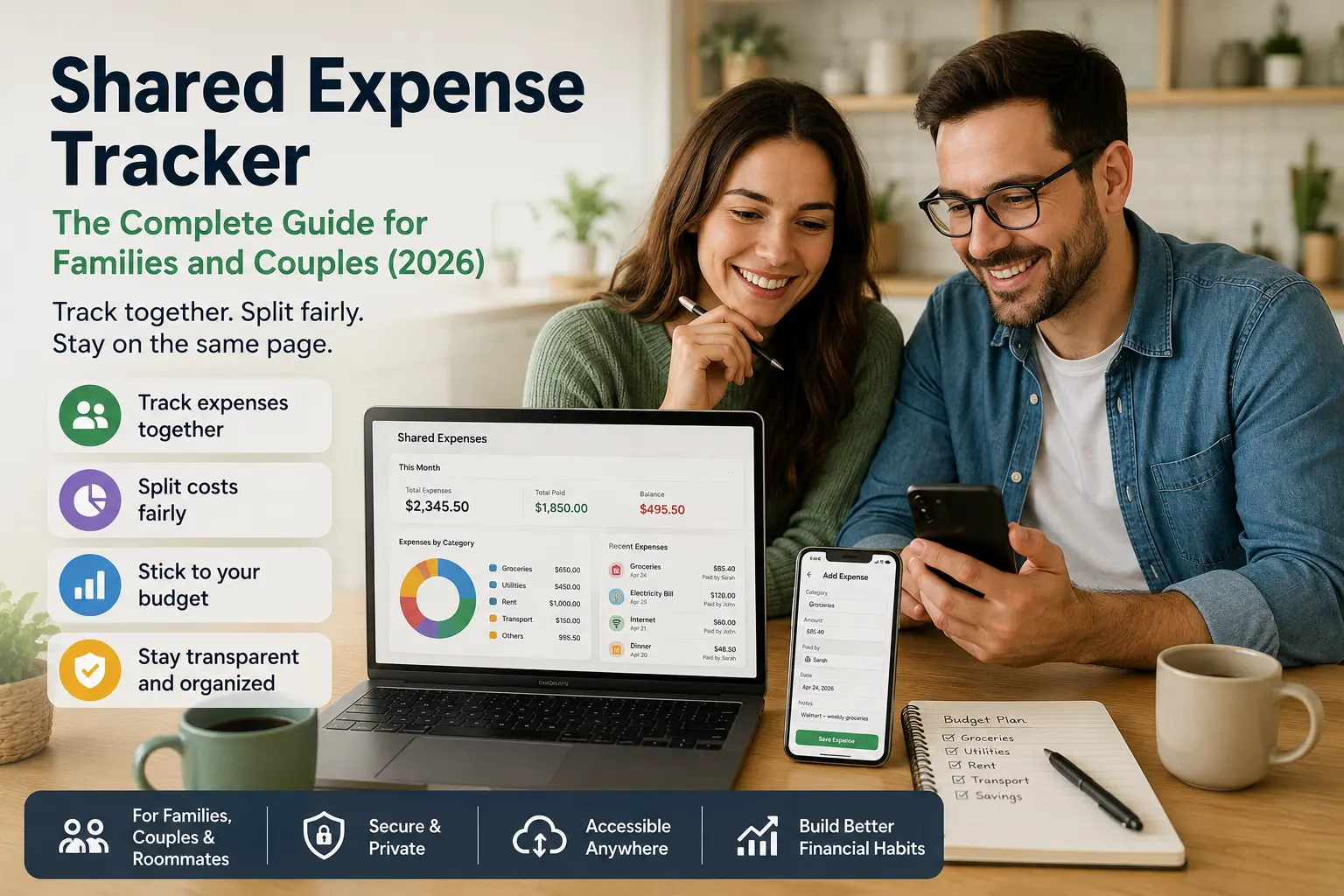
Apps designed for tracking shared expenses can simplify this process by keeping every transaction visible to everyone involved.
Which Method Is Right for You?
Every household is different, so there isn't a single expense-sharing method that's right for everyone.
The table below can help you choose the approach that best matches your situation.
| Household Situation | Recommended Method |
|---|
| Couple with similar incomes | 50/50 Split |
| Couple with different incomes | Income-Based Split |
| Long-term partners or families | Joint Household Fund |
| Roommates | Equal Split or Responsibility-Based Split |
| Multi-generational households | Responsibility-Based Split |
Remember that your financial arrangement isn't permanent. As your income, family size, or financial goals change, your expense-sharing system should evolve too.
The most successful households review their finances every month rather than assuming the original plan will always work.
Expenses You Should Always Share
Regardless of which method you choose, certain household expenses are usually considered shared responsibilities.
These typically include:
| Expense Category | Examples |
|---|
| Housing | Rent, mortgage, property maintenance |
| Utilities | Electricity, water, gas, internet |
| Groceries | Food, household supplies |
| Transportation | Fuel for shared vehicles, parking, tolls |
| Insurance | Shared policies where applicable |
| Child Expenses | School fees, childcare, extracurricular activities |
These expenses benefit everyone living in the household and should generally be included in your shared monthly budget.
If you're still organizing your finances, our guide on how to track household expenses explains how to categorize and monitor these costs effectively.
Expenses You Can Keep Separate
Not every purchase needs to become a shared expense.
Many households find it healthier to maintain separate budgets for personal spending.
Examples include:
- Clothing
- Personal shopping
- Individual subscriptions
- Personal hobbies
- Gifts
- Individual travel
- Professional development
Keeping some expenses separate provides financial independence while still allowing transparency around shared household costs.
A shared budget doesn't mean giving up personal financial freedom—it simply creates clarity around the expenses everyone is responsible for.
Common Mistakes When Splitting Household Expenses
Even with the best intentions, many households encounter avoidable challenges.
Assuming Equal Means Fair
A 50/50 split isn't automatically the fairest option.
When incomes differ significantly, equal contributions may place unnecessary financial pressure on one person.
Choose a system that feels sustainable rather than strictly equal.
Never Reviewing the Arrangement
Income changes.
Jobs change.
Children arrive.
Expenses increase.
Review your shared budget every few months and adjust contributions whenever your financial situation changes.
Tracking Expenses Inconsistently
Trying to remember who paid for groceries three weeks ago rarely ends well.
Record shared expenses as they happen so everyone has access to the same information.
Mixing Personal and Shared Purchases
When household and personal expenses are combined, budgets become difficult to understand.
Create clear categories for shared expenses while allowing each person to manage their own discretionary spending.
Avoiding Money Conversations
Perhaps the biggest mistake is avoiding discussions about money altogether.
Regular financial check-ins help prevent misunderstandings and ensure everyone remains aligned on shared goals.
Even a 15-minute monthly review can significantly improve financial transparency and reduce stress.
Tips for Managing Shared Finances Successfully
Splitting household expenses fairly isn't just about choosing the right method—it's about building habits that keep everyone informed and accountable.
Here are a few practical tips that can make managing shared finances much easier.
1. Create a Monthly Household Budget
Before deciding who pays for what, determine how much your household expects to spend each month.
A monthly budget provides a clear financial plan and prevents disagreements caused by unexpected expenses.
If you're creating your first budget, our guide on building a monthly household budget planner walks through the entire process.
2. Track Expenses Consistently
The most effective expense-sharing systems rely on accurate records.
Whether you're paying for groceries, rent, utilities, or transportation, record expenses as they happen instead of trying to remember them later.
Consistent tracking improves transparency and makes monthly reviews much easier.
3. Review Your Budget Together
Household finances change over time.
Income may increase, expenses may rise, or financial priorities may shift.
Schedule a monthly review to discuss:
- Upcoming expenses
- Savings goals
- Budget adjustments
- Large planned purchases
Regular conversations help prevent misunderstandings before they become bigger problems.
4. Agree on Financial Goals
Managing shared expenses becomes much easier when everyone is working toward the same objectives.
Examples include:
- Building an emergency fund
- Saving for a vacation
- Buying a home
- Paying off debt
- Increasing monthly investments
Shared goals encourage smarter spending decisions and make budgeting feel more rewarding.
5. Choose a System You'll Actually Use
The best budgeting method is the one you can maintain consistently.
Some households prefer spreadsheets, while others choose dedicated expense tracking apps that automatically organize transactions and keep everyone updated.
Whatever method you choose, consistency matters far more than perfection.
Frequently Asked Questions
What's the fairest way to split household expenses?
There isn't a single answer that works for every household. Couples with similar incomes often choose a 50/50 split, while those with different incomes may prefer contributing proportionally based on earnings. The fairest system is the one everyone agrees on and can maintain comfortably.
Should couples have a joint bank account?
Not necessarily.
Many couples successfully manage shared finances while keeping separate personal accounts. A joint account can simplify paying common expenses, but it's a personal choice rather than a requirement.
Which household expenses should always be shared?
Most households share essential expenses such as housing, utilities, groceries, internet, transportation, insurance, and childcare. Personal shopping and discretionary spending are often managed separately.
How often should we review shared expenses?
A monthly review is ideal.
It allows everyone to compare planned spending with actual expenses, adjust the budget, and discuss upcoming financial commitments.
Is a spreadsheet enough for managing shared expenses?
Spreadsheets work well for smaller households, but they often become difficult to maintain as transactions increase. Many couples and families eventually switch to dedicated expense tracking tools for better collaboration and visibility.
What's the difference between splitting bills equally and fairly?
An equal split means everyone contributes the same amount.
A fair split considers factors such as income, financial responsibilities, and personal circumstances. In many households, fairness doesn't always mean contributing equally.
Key Takeaways
- There is no universal formula for splitting household expenses.
- Choose an approach that matches your household's income and financial goals.
- Keep shared and personal expenses separate whenever possible.
- Track expenses consistently to improve transparency.
- Review your budget together every month and adjust it as your circumstances change.
- Good communication is just as important as the budgeting method you choose.
Conclusion
Managing shared household expenses doesn't have to be complicated. Whether you split bills equally, contribute based on income, or maintain a joint household fund, the most successful approach is the one that everyone understands and trusts.
The goal isn't simply dividing expenses—it's creating a system that supports your household's financial wellbeing while reducing confusion and unnecessary stress.
With clear expectations, consistent expense tracking, and regular budget reviews, couples and families can spend less time worrying about money and more time working toward shared financial goals.
Whether you're using a spreadsheet or a dedicated household budgeting app, building healthy financial habits together is the foundation of long-term financial success.