Living with roommates is one of the best ways to reduce living costs, but it can also create financial disagreements if expenses aren't managed properly. Learning how to split expenses with roommates is key to keeping the peace. Rent, electricity, internet, groceries, streaming subscriptions, and household supplies can quickly become confusing when multiple people are paying at different times.
The good news is that most roommate money problems are preventable. By agreeing on a simple system and tracking shared expenses consistently, everyone knows who paid, who owes money, and when bills are due.
In this guide, you'll learn practical ways to split shared expenses fairly, avoid common mistakes, and keep your household finances organized.
What Counts as Shared Expenses?
Not every expense in a shared home should be divided equally. The first step is identifying which expenses belong to everyone and which should remain personal.
Common shared expenses include:
- Monthly rent
- Electricity and water bills
- Internet connection
- Gas bills
- Household cleaning supplies
- Kitchen essentials
- Shared groceries
- Streaming subscriptions used by everyone
Personal expenses usually include:
- Individual shopping
- Personal subscriptions
- Clothing
- Personal care items
- Individual food or snacks
Keeping shared and personal expenses separate avoids unnecessary disagreements and makes monthly settlements much easier. If you are tracking these, setting up a unified household expense tracker category structure helps keep personal and joint items distinct.
5 Common Ways Roommates Split Expenses
Use the free shared expense split calculator to work out shares and settlements for your group.
There isn't a single "correct" way to split expenses. The best approach depends on your living arrangement, income levels, and spending habits.
1. Split Everything Equally
This is the simplest method. Every shared expense is divided equally among all roommates.
Best for:
- Roommates with similar incomes
- Shared apartments where everyone uses common facilities equally
Pros
- Easy to calculate
- Transparent
- Minimal administration
Cons
- May feel unfair if one roommate uses significantly more utilities or shared items.
2. Split Based on Income
If roommates have very different incomes, contributing based on income can feel more equitable.
For example, instead of everyone paying 33%, each person contributes according to their percentage of the total household income.
Best for:
- Long-term roommates
- Friends who want a more flexible arrangement
3. Assign Responsibility for Different Bills
Instead of splitting every payment, each roommate becomes responsible for specific bills.
For example:
- Alex pays the internet bill.
- Sarah pays the electricity bill.
- David buys household supplies.
At the end of the month, everyone settles any differences if required.
This reduces the number of transactions but works best when the bills are roughly similar in value.
4. Split Only Shared Purchases
Not everything needs to be shared.
Many roommate households only split:
- Rent
- Utilities
- Internet
- Cleaning supplies
Everything else remains personal.
This avoids arguments about groceries, food preferences, or personal purchases.
5. Track Every Shared Expense
As the number of shared purchases grows, remembering who paid becomes difficult.
Instead of relying on memory or scrolling through payment apps, record every shared expense as it happens. This creates a clear history of payments, making monthly settlements simple and reducing misunderstandings.
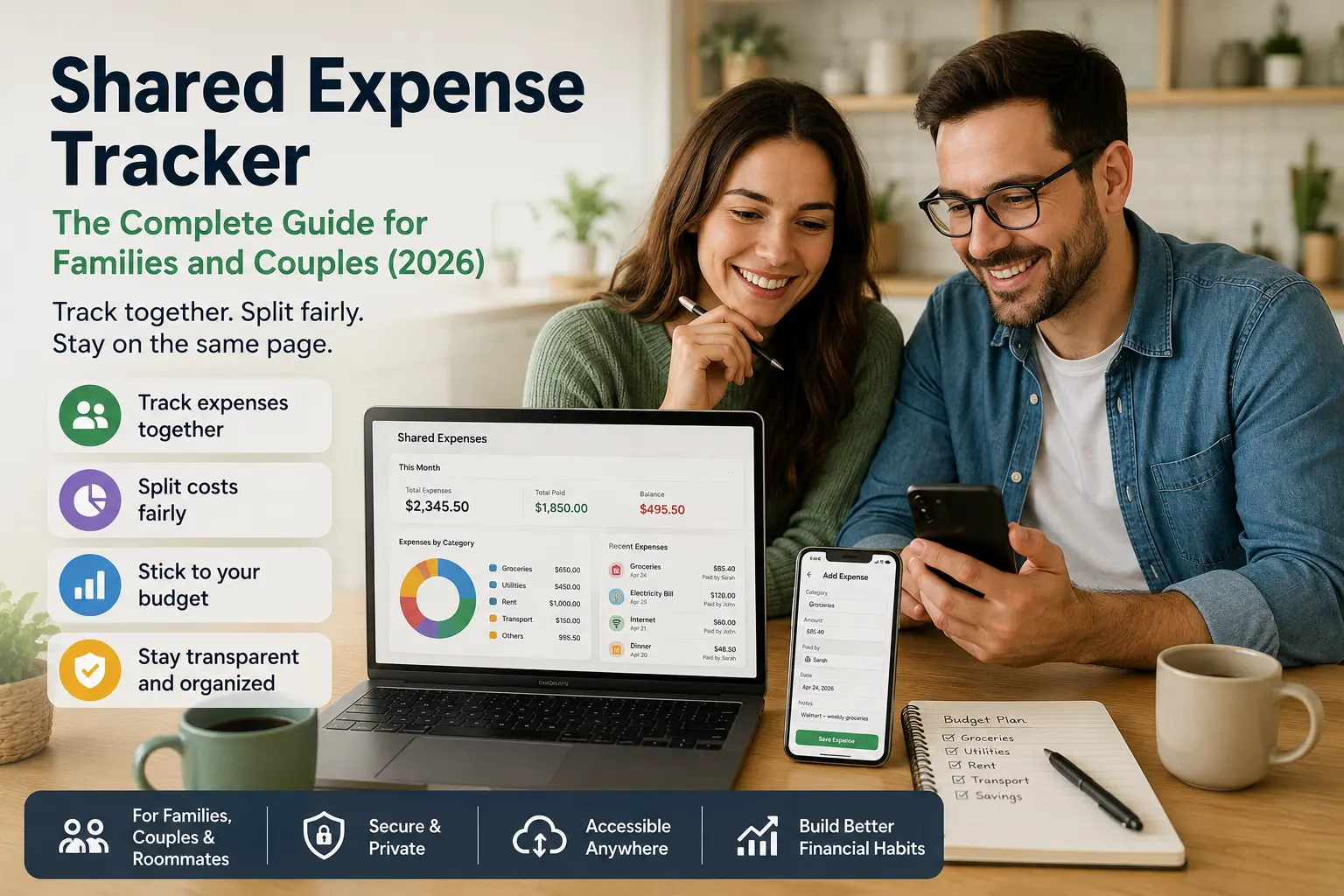
For households with frequent shared expenses, using a dedicated shared expense tracker is usually easier than maintaining spreadsheets or chat messages.
Common Mistakes Roommates Make When Splitting Expenses
Even with the best intentions, small mistakes can create unnecessary tension between roommates. Avoiding these common problems makes managing shared finances much easier.
Waiting Until the End of the Month
Trying to remember every payment at the end of the month rarely works. Someone forgets they bought groceries, another person paid the electricity bill, and receipts get lost.
Record shared expenses when they happen instead of relying on memory.
Mixing Personal and Shared Expenses
One roommate buys personal snacks, another buys cleaning supplies, and everything ends up in the same payment history.
Keeping personal and shared expenses separate makes settlements much clearer and prevents awkward conversations.
Not Agreeing on the Rules
Decide upfront:
- Which expenses are shared?
- How will the roommate budget be divided?
- Are groceries shared?
- How will unexpected household purchases be handled?
Having these conversations early avoids disagreements later (check out our detailed guide on how to split household expenses fairly for practical splitting frameworks).
Forgetting Recurring Bills
Internet, electricity, water, rent, and streaming subscriptions arrive every month. Missing one payment on roommate bills can inconvenience everyone in the household.
Keeping a list of recurring bills helps ensure nothing is overlooked.
Using Multiple Apps and Chat Messages
Many roommates use a combination of UPI apps, WhatsApp messages, notes, and spreadsheets to keep track of expenses.
As the number of transactions grows, it becomes difficult to answer simple questions like:
- Who paid the internet bill?
- Have I already paid for groceries?
- How much does each roommate owe?
Keeping everything in one place makes it much easier to understand the household's finances.
Spreadsheet vs. Shared Expense Tracker
Many roommates start by tracking expenses in a spreadsheet. It works well for a few weeks, but as more shared purchases and recurring bills are added, keeping everything updated becomes time-consuming.
| Spreadsheet | Shared Expense Tracker |
|---|
| Requires manual updates | Record expenses in seconds |
| Easy to forget entries | Shared history for everyone |
| Difficult to see who owes what | Everyone stays on the same page |
| No reminders for recurring bills | Track recurring household expenses |
| Multiple versions can cause confusion | Single shared source of truth |
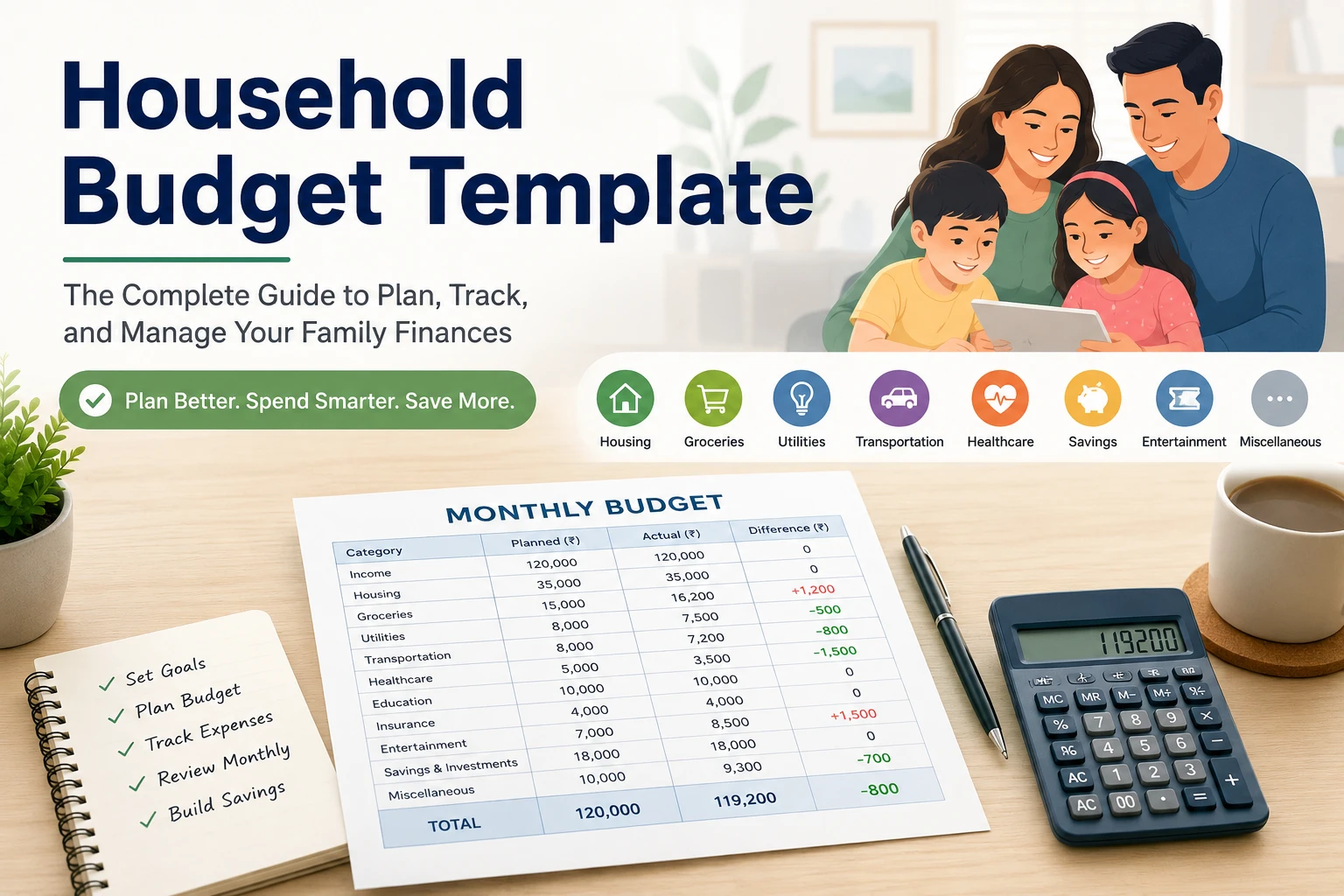
For households with only one or two shared bills each month, a spreadsheet setup using a household budget template may be enough.
However, if you're regularly splitting rent, utilities, groceries, subscriptions, and other household expenses, using a dedicated shared expense tracker can save time and reduce misunderstandings.
A Simpler Way to Manage Shared Expenses
The best expense tracking system is the one that everyone in the household actually uses.
Instead of relying on spreadsheets, payment histories, or long WhatsApp conversations, many roommates prefer using a shared expense tracker where everyone can record expenses as they happen.
With HomeLedger, you can:
- Create a shared household with your roommates.
- Record rent, utilities, groceries, subscriptions, and other shared expenses.
- Organize expenses into categories.
- View a complete history of household spending.
- Keep everyone on the same page with a shared view of expenses.
The goal isn't just to split bills—it's to make household finances simple, transparent, and stress-free for everyone involved.
Whether you're living with one roommate or sharing an apartment with several people, having a single place to manage shared expenses helps avoid confusion and keeps your household running smoothly.
Final Thoughts
Sharing a home should make life easier—not create arguments about money.
By deciding how expenses will be shared, recording payments consistently, and reviewing household spending regularly, roommates can avoid misunderstandings and focus on enjoying their shared living experience.
Whether you choose a spreadsheet or a dedicated expense tracker, the most important thing is that everyone follows the same system.
If you're looking for a simple way to manage shared household expenses, HomeLedger helps roommates, couples, and families track expenses together, stay organized, and keep everyone on the same page.
Start with clear rules, record expenses as they happen, and make shared finances one less thing to worry about.
Calculate your rent share
Use the free roommate rent split calculator to compare equal shares with room-size or custom weights for two to four roommates. For payments and reimbursements, use the shared expense split calculator.
Frequently Asked Questions
How should roommates split rent?
The most common approach is to split rent equally. However, if bedrooms differ significantly in size or amenities, many roommates agree on a proportional split that everyone considers fair.
Should roommates split groceries?
It depends on your household. If everyone eats together, splitting grocery expenses often works well. If everyone buys their own food, keeping groceries separate is usually simpler.
What's the easiest way to track shared expenses?
The easiest approach is to record every shared expense as soon as it's paid. Using a shared expense tracker keeps everyone updated and avoids confusion at the end of the month.
Should utility bills be split equally?
In most households, yes. However, roommates can choose a different arrangement if one person consistently uses significantly more electricity, water, or other utilities.
Is a spreadsheet enough for roommates?
A spreadsheet works for simple situations with only a few shared expenses. As the number of transactions grows, a shared expense tracker is generally easier to maintain and provides better visibility into who paid what.
How often should roommates settle expenses?
Most households find that settling expenses once a month works well. A regular schedule keeps balances manageable and avoids larger disagreements later.