Track up to 50 bills per monthly copy with due dates, categories, payment owners, expected amounts and amounts already paid. The workbook calculates the remaining balance, identifies overdue bills and flags overpayments or invalid inputs. Change the dashboard review date to update payment statuses. Replace the hypothetical example entries with your own; no email address or account is needed.
This is a manual planning checklist, not an automatic reminder service. Use the household budget template to compare spending against your monthly plan.
Managing household finances isn't just about creating a budget—it's about making sure every important expense is accounted for each month.
From rent and utility bills to groceries, insurance, savings, and subscriptions, it's surprisingly easy to overlook recurring expenses. Missing even a single payment can lead to unnecessary fees, financial stress, or an inaccurate budget.
In this guide, you'll find a practical monthly expense checklist, learn which expenses should always be reviewed, and discover simple habits that help families stay on top of their finances every month.
Quick Summary
Review your recurring bills at the beginning of every month.
Track fixed and variable expenses separately.
Include savings and financial goals in your monthly review.
Check subscriptions regularly to avoid unnecessary spending.
Use a consistent monthly checklist to improve budgeting habits.
Why Every Family Needs a Monthly Expense Checklist
A monthly budget is only effective if you consistently review it.
Many families create a budget at the beginning of the year but gradually stop tracking their spending. As new expenses appear and priorities change, it's easy to lose visibility into where money is going.
A monthly expense checklist provides a simple routine that helps you:
Stay on top of recurring bills.
Avoid missed payments.
Track spending consistently.
Identify unnecessary expenses.
Keep your financial goals on track.
Whether you're managing finances as a couple, raising children, or sharing expenses with family members, reviewing your finances every month creates better financial habits over time.
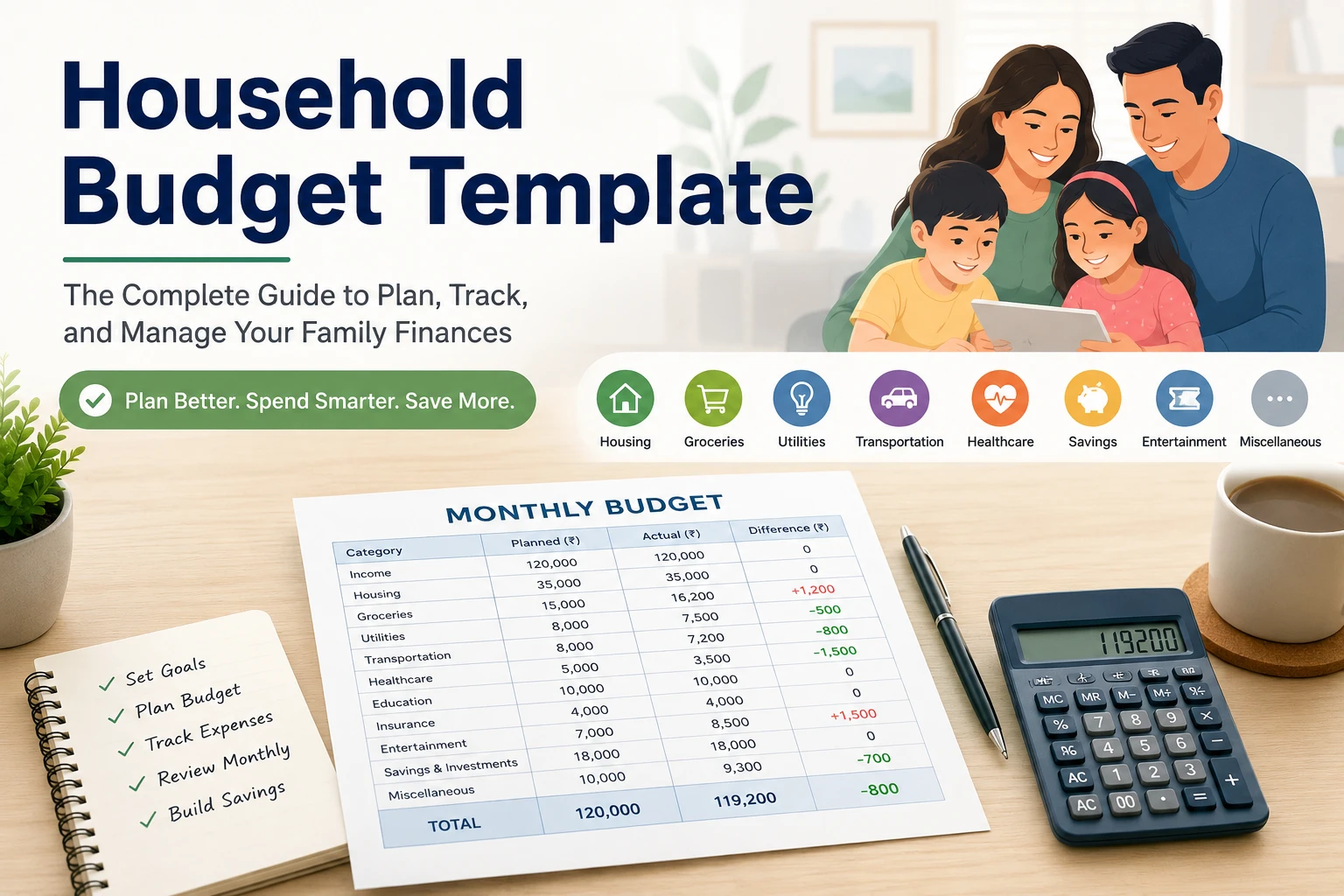
If you haven't created a complete household budget yet, start with our guide to building a household budget template.
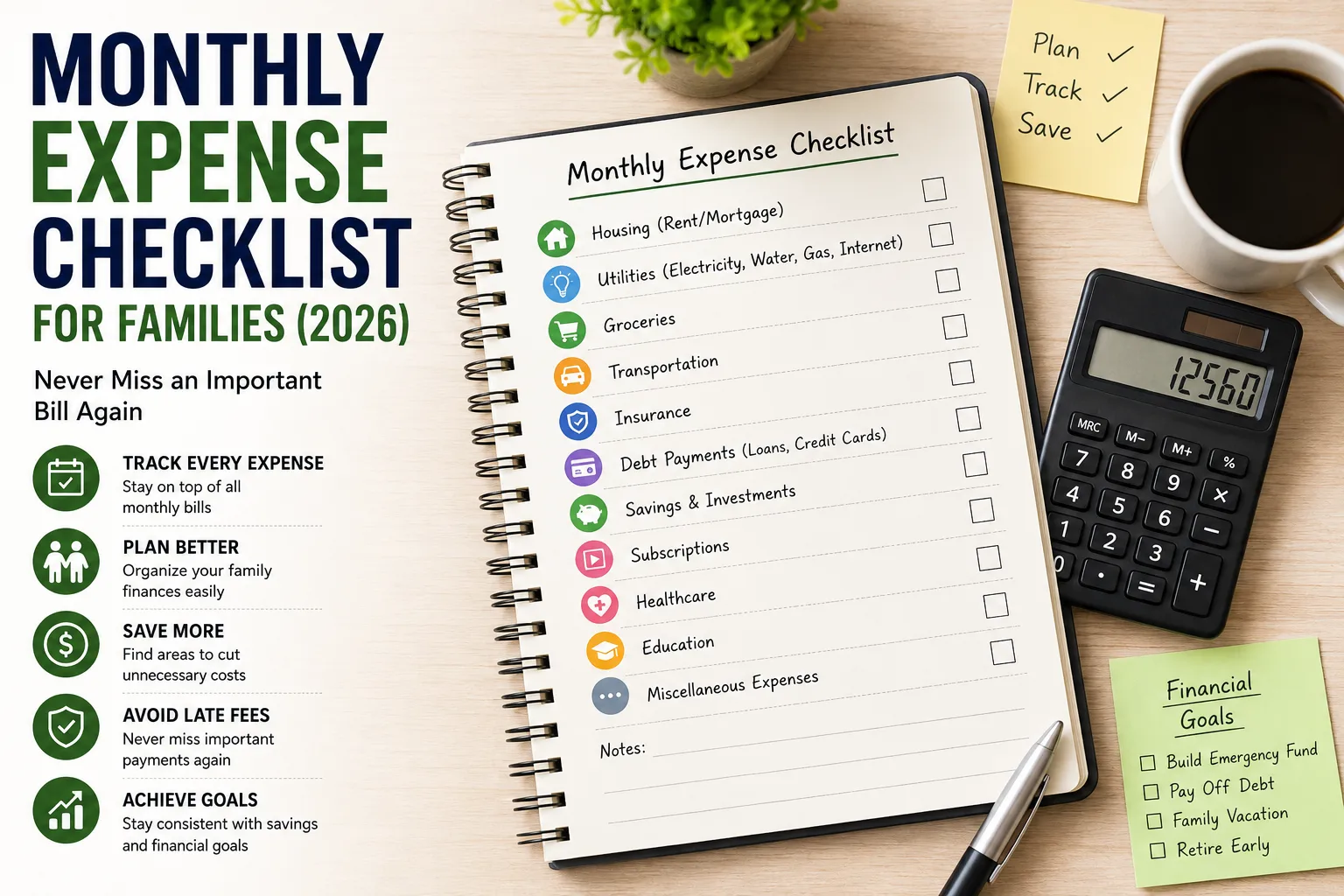
The Complete Monthly Expense Checklist
Use this checklist at the beginning or end of every month to review your household finances.
1. Housing
Housing is usually the largest monthly expense and should always be reviewed first.
Include items such as:
Rent or mortgage
Property tax (if applicable)
Home maintenance
Housing society or HOA fees
Repairs
Confirm that all payments have been made and account for any upcoming maintenance costs.
2. Utilities
Utility bills often fluctuate each month.
Review expenses including:
Electricity
Water
Gas
Internet
Mobile phone plans
Comparing utility bills month over month can help you identify unusual increases in usage.
3. Groceries
Groceries are one of the largest variable expenses for most households.
Check:
Total grocery spending
Weekly shopping trips
Food delivery expenses
Household essentials
If grocery costs continue to increase, our guide to creating a grocery budget planner offers practical ways to reduce food expenses without sacrificing quality.
4. Transportation
Transportation costs are often overlooked when reviewing monthly expenses.
Remember to include:
Fuel
Public transportation
Parking
Vehicle maintenance
Insurance
Ride-sharing services
Tracking transportation separately makes it easier to understand your true commuting costs.
5. Insurance
Review all recurring insurance payments, including:
Health insurance
Vehicle insurance
Home insurance
Life insurance
Verify that premiums have been paid and note any upcoming renewal dates.
6. Debt Payments
If you're repaying loans or credit card balances, ensure every payment has been made on time.
Examples include:
Personal loans
Home loans
Vehicle loans
Student loans
Credit card payments
Making debt payments consistently helps avoid late fees and protects your credit history.
7. Savings and Investments
Savings should be treated as a monthly commitment rather than something you do only if money is left over.
Review:
Emergency fund contributions
Investment deposits
Retirement savings
Children's education savings
Including savings in your monthly checklist helps build long-term financial stability.
8. Subscriptions
Small recurring subscriptions can quietly increase your monthly expenses.
Review services such as:
Streaming platforms
Cloud storage
Music subscriptions
Gym memberships
Software subscriptions
Cancel any services you no longer use.
9. Healthcare
Healthcare expenses can vary significantly each month.
Include:
Medicines
Doctor visits
Health checkups
Medical tests
Dental care
Recording these expenses separately helps you plan for future healthcare costs.
10. Education
Families with children should review education-related spending every month.
Examples include:
School fees
Tuition classes
Books
School supplies
Extracurricular activities
Tracking education expenses separately makes annual planning much easier.
11. Miscellaneous Expenses
Finally, review purchases that don't fit into other categories.
Examples include:
Gifts
Entertainment
Clothing
Household items
Unexpected purchases
If miscellaneous spending keeps growing, it may be time to review your spending categories. Our guide to budget categories every family should use explains how to organize expenses more effectively.
How to Set Up Your Monthly Bills List
To manage your household finances efficiently, you first need to construct a complete monthly bills list. Start by checking your checking account and credit card statements from the last three months; this ensures you do not miss irregular or annual obligations that qualify as monthly household bills. Next, organize your bills by their due date (for example, grouping bills due in the first week of the month vs. those due mid-month) to align with when your income is received. Note down which payments are set up as automatic transfers and which require manual authorization, and schedule a 10-minute slot to update this list at the start of every month.
Common Monthly Household Bills
While every household is different, most families will find that their monthly bills list consists of these common recurring items:
Housing: Rent or mortgage payments
Power & Water: Electricity, gas, and water utilities
Connectivity: High-speed internet and mobile phone plans
Supplies: Groceries and basic household essentials
Protection: Health, auto, home, or life insurance premiums
Debt: Car loan EMIs or student loan payments
Subscriptions: Streaming platforms and cloud storage plans
Education: School fees, tuition, or extracurricular activities
Free Monthly Bills Checklist Template
Below is a simple, copyable monthly bills checklist template designed to help you track your monthly payments. You can copy this framework into your favorite notes app or a spreadsheet. If you want a more collaborative and automated solution, consider tracking these items using a family budget app or integrating them into a household budget template. If you are dividing utilities with roommates, you can manage them with a shared expense tracker and check our guide on how to track shared household bills.
Category
Bill
Due Date
Payment Method
Paid
Notes
Housing
Rent / Mortgage
1st
Bank Transfer
[ ]
Fixed
Utilities
Electricity
5th
Auto-Debit
[ ]
Variable
Connectivity
Internet
10th
Credit Card
[ ]
Fixed
Insurance
Health Insurance
15th
Auto-Debit
[ ]
Fixed
Debt
Vehicle Loan EMI
20th
Direct Debit
[ ]
Fixed
Lifestyle
Streaming Services
25th
Credit Card
[ ]
Auto-renew
How to Use Your Monthly Expense Checklist
A checklist is only useful if you review it consistently. Set aside 15–20 minutes at the end of every month—or before the next month begins—to go through each category and compare your planned spending with what actually happened.
A simple monthly routine might look like this:
Step
What to Do
Review Income
Confirm all expected income has been received.
Review Fixed Expenses
Check rent, utilities, insurance, and loan payments.
Review Variable Expenses
Compare grocery, transportation, dining, and entertainment spending against your budget.
Check Savings
Ensure you've contributed toward your savings and investment goals.
Plan Next Month
Adjust your budget based on upcoming expenses and lessons learned.
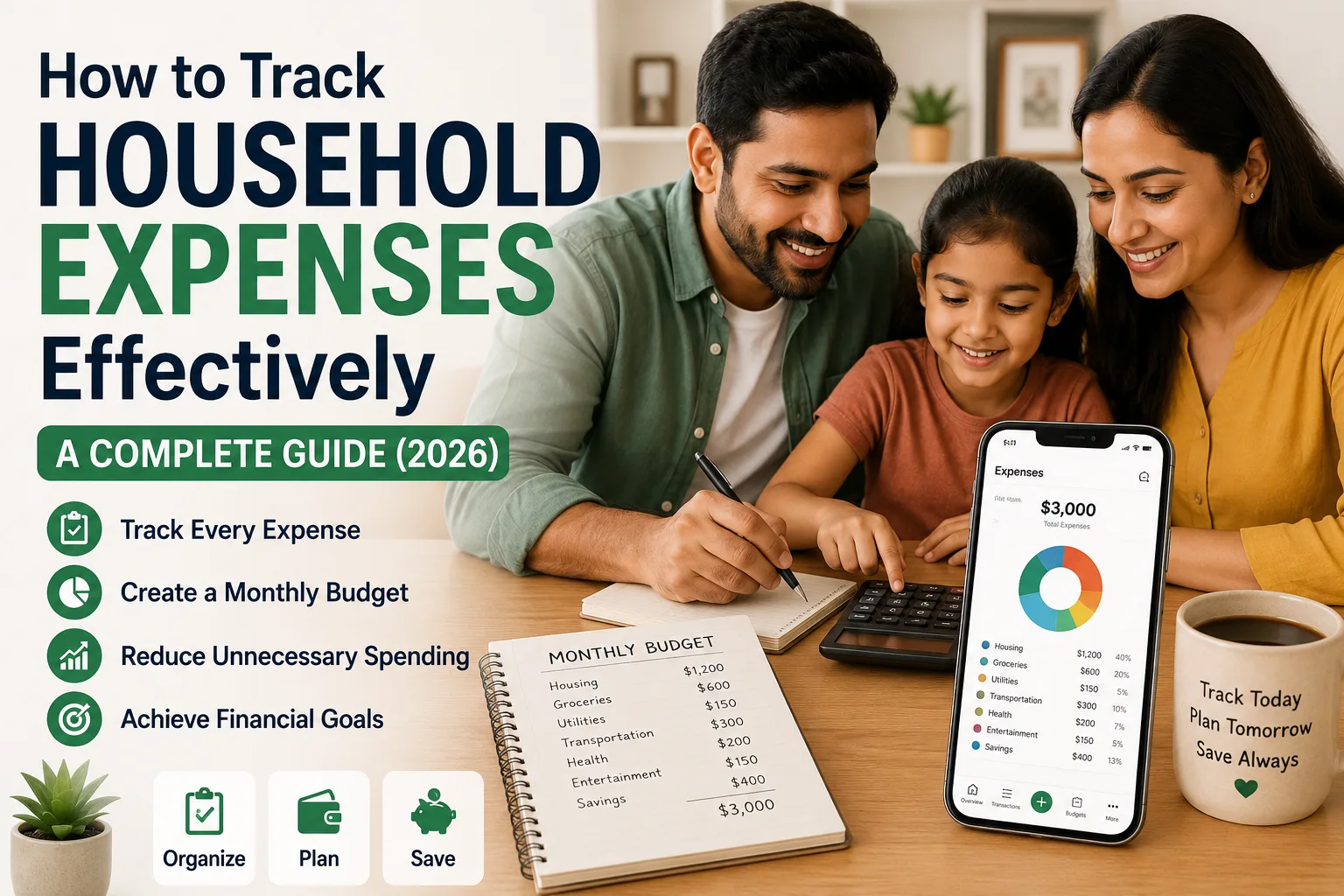
Spending a few minutes reviewing your finances every month can prevent small budgeting mistakes from becoming larger financial problems. If you're still building your tracking habits, our guide on how to track household expenses walks through a simple month-by-month process. Pair your checklist with a monthly household budget planner to set spending limits before each month begins.
If you regularly manage expenses with your partner or family members, keeping a shared record of transactions makes these monthly reviews much easier.
Common Mistakes Families Make
Even households with a budget can lose control of their finances if they don't review their expenses regularly.
1. Forgetting Small Recurring Expenses
Streaming services, mobile apps, cloud storage, and gym memberships may seem inexpensive individually, but together they can become a significant monthly expense.
Review every recurring subscription at least once every few months.
2. Ignoring Variable Spending
Many families only focus on fixed expenses like rent and utilities.
However, categories such as groceries, dining out, shopping, and entertainment usually provide the biggest opportunities to save money.
3. Not Tracking Shared Expenses
When multiple people contribute to household expenses, relying on memory often leads to confusion.
Keeping a shared record of who paid for what improves transparency and makes monthly reviews much simpler.
4. Never Updating the Budget
Your household budget should evolve as your financial situation changes.
Salary increases, new family members, inflation, or lifestyle changes may require adjustments to your monthly expense checklist.
Review your budget regularly instead of using the same numbers year after year.
5. Skipping Monthly Reviews
Creating a budget is only the first step.
The real value comes from reviewing your spending consistently, learning from previous months, and making small improvements over time.
Families who perform regular monthly reviews are generally better prepared for unexpected expenses and long-term financial goals.
Frequently Asked Questions
What is a monthly expense checklist?
A monthly expense checklist is a list of recurring bills, household expenses, savings contributions, and financial tasks that helps families review and manage their finances consistently each month.
What expenses should be included in a monthly checklist?
Most families should review housing, utilities, groceries, transportation, insurance, debt payments, healthcare, education, subscriptions, savings, and miscellaneous expenses every month.
How often should I review my monthly expenses?
A monthly review is recommended. Setting aside time at the beginning or end of each month helps you compare planned spending with actual expenses and prepare for the month ahead.
Should savings be part of a monthly expense checklist?
Yes. Treating savings as a recurring monthly commitment helps build long-term financial security and ensures your financial goals remain a priority.
Can I use a spreadsheet for a monthly expense checklist?
Absolutely. A spreadsheet works well for many households. As your finances become more complex or involve multiple people, a dedicated expense tracking app can simplify recording, categorizing, and reviewing expenses.
Why do families overspend even with a budget?
Common reasons include failing to track expenses consistently, overlooking subscriptions, making impulse purchases, and not reviewing the budget regularly. A monthly expense checklist helps identify these issues before they become larger financial problems.
What is a monthly bills checklist template?
A monthly bills checklist template is a pre-structured outline of all your recurring household expenses, utility bills, debt obligations, and savings targets. It lists due dates, payment methods, and checkboxes to help you track each bill systematically and avoid late fees.
How do I manage recurring bills if my income changes every month?
If your monthly income is variable or irregular, establish a "bills buffer" in a separate checking account containing one to two months of basic living costs. Automate your recurring bill payments from this buffer account, and rebuild the buffer whenever you receive new income.
Before your monthly review, enter your planned amounts in the household budget calculator to see the overall picture.
Key Takeaways
Review your finances every month instead of only creating an annual budget.
Track both fixed and variable expenses.
Include savings, investments, and recurring subscriptions in your checklist.
Regular monthly reviews help prevent missed payments and overspending.
A simple, consistent financial routine is more effective than an overly complicated budgeting system.
Conclusion
A monthly expense checklist is one of the simplest tools you can use to stay in control of your household finances. By reviewing recurring bills, tracking everyday spending, and checking progress toward your financial goals each month, you'll gain a clearer understanding of where your money is going and where you can improve.
The checklist doesn't need to be complicated. Start with the essential categories, review them consistently, and make small adjustments as your family's needs change. Over time, these simple habits can reduce financial stress, improve budgeting accuracy, and help you make more confident financial decisions.
Whether you prefer a spreadsheet or a dedicated household budgeting app, consistency is the key to building healthier financial habits and achieving your long-term goals.
Track your household budget with HomeLedger
Plan monthly budgets, track shared expenses, and keep every family member aligned. Available on Android and in web preview.
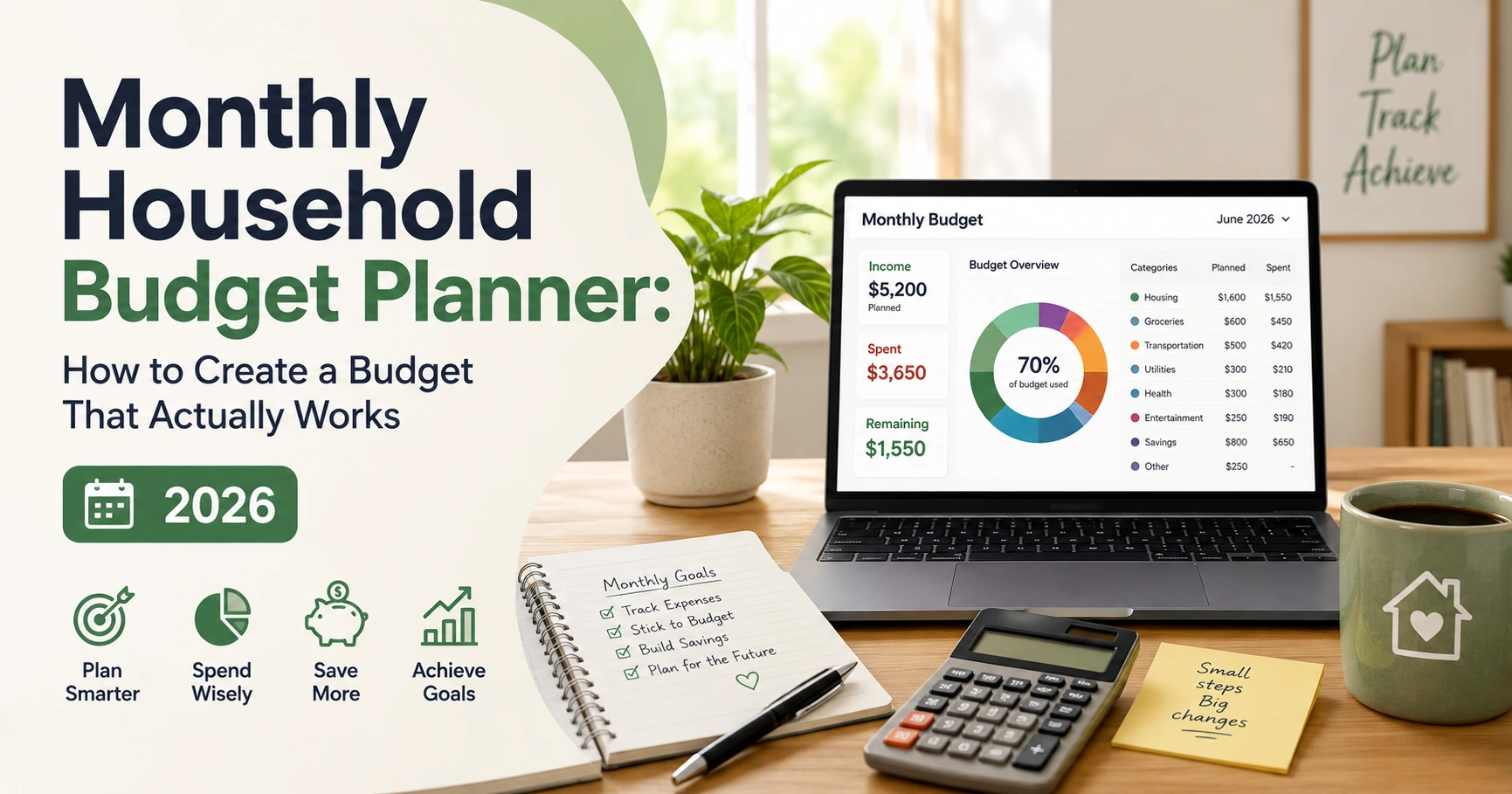
Learn how to create a monthly household budget planner, organize your expenses, set realistic spending limits, and build better financial habits for your family.